

- My PUR Filter Review After 6 Months - November 10, 2026
- The Best Deep Sofas by Use Case - October 5, 2026
- What A Room vs. Room & Board: A Custom Sofa Comparison - September 11, 2026
I started using a PUR pitcher and filter when I got sick of spending money on plastic water bottles and finding them all over the house. I’ve been using it for a little over six months, so here is my honest review. I’ll cover what I use, what I like about it, what it’s certified to reduce, and what to look for when you’re ready to buy.
What I’m Using
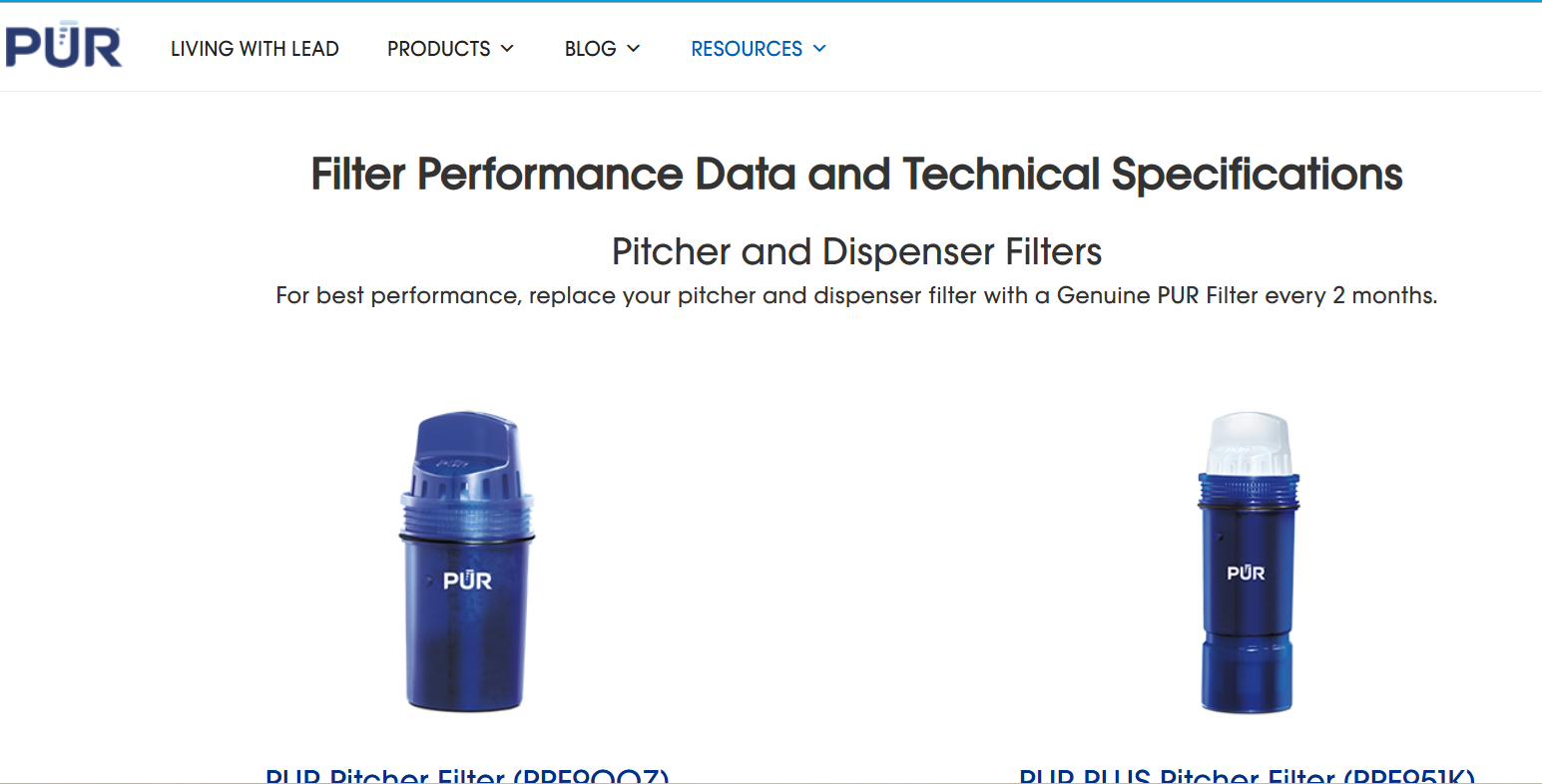
I have the PUR 8 Cup Slim water pitcher, which comes with the Standard PUR filter. It was about $20, so it was affordable and an easy way to try switching from bottled water in case I didn’t like it.
After six months, these are the things I like:
- It’s small and doesn’t take up much room in my fridge.
- The water tastes good, and better than what comes out of my refrigerator’s filter.
- Water goes through the Standard filter quickly, so refilling doesn’t take long (even though I have to constantly remind my kids to refill it).
- I’ve changed the filter once, and I didn’t really notice the water tasting different as it got close to replacement time.
PUR says to replace pitcher filters every 40 gallons or about two months. That can vary, of course, depending on how much water you and your family drink. If you drink a lot of water, you’ll probably hit 40 gallons before the two months, so that’s something to be mindful of.
PUR Filters
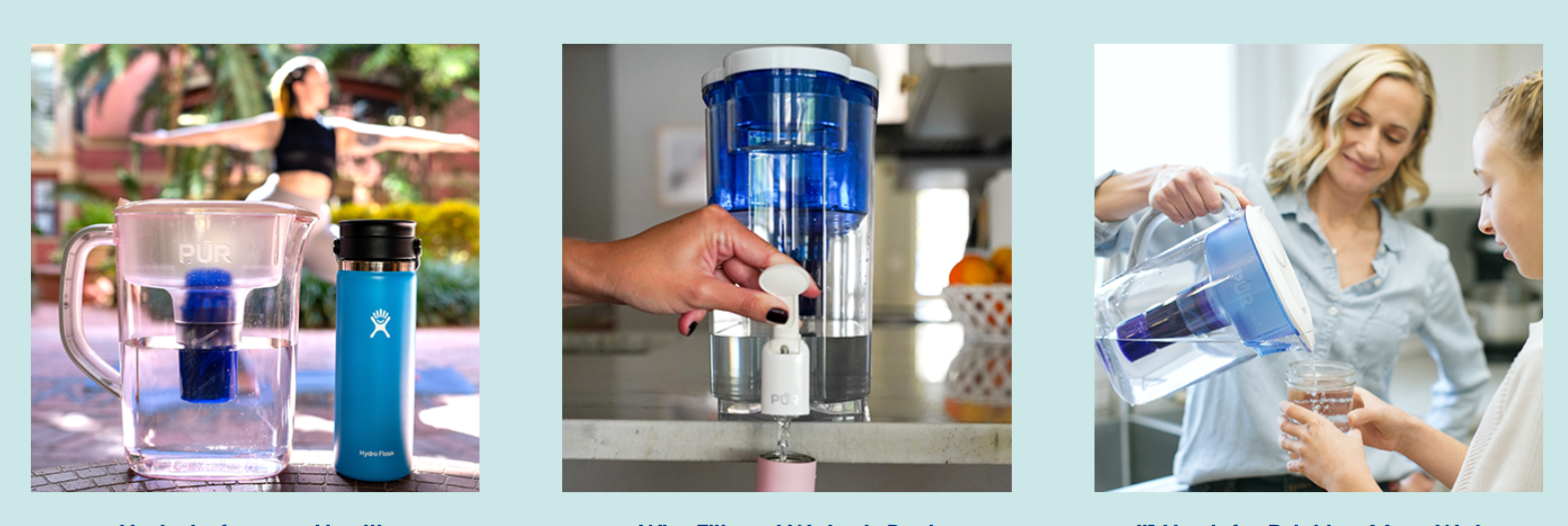
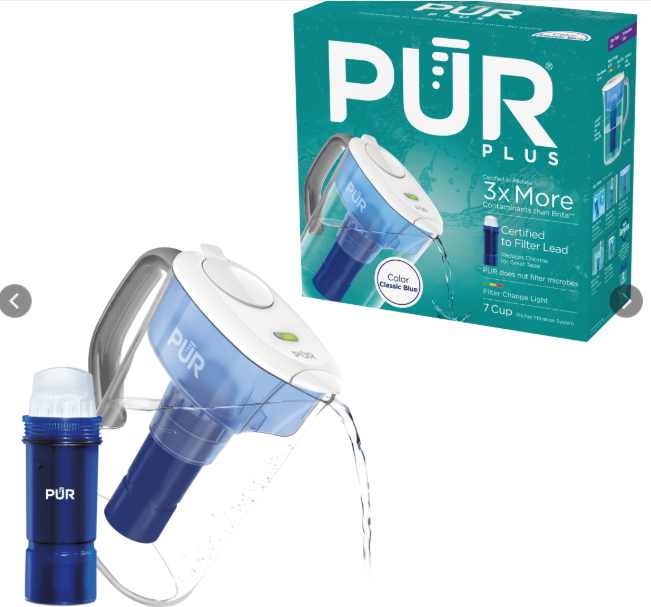
PUR has two types of pitcher filters, the standard PUR and PUR PLUS. All PUR pitchers and dispensers take either filter, so it comes down to what you want reduced in your water.
I use the standard PUR filter. It’s great at getting rid of that chlorine taste and smell, but it isn’t certified to reduce lead, PFAS (“forever chemicals”), or microplastics.
The PUR PLUS Lead Reducing filter is the upgrade, and it covers chlorine taste and is certified to reduce lead, PFAS, and microplastics.
| Standard PUR Filter (PPF900Z) | PUR PLUS Filter (PPF951K) | |
| Removes chlorine taste and odor | Yes | Yes |
| Filters lead | No | Yes |
| Filters PFAS | No | Yes |
| Filters microplastics | No | Yes |
| Filter life | 40 gal / ~2 months | 40 gal / ~2 months |
I picked the Standard filter because taste was my main reason for buying a pitcher, but next time, I’ll be trying PUR PLUS, especially since I’ve been doing more research on my water quality. Nothing glaring, but I do have old pipes, and I’d like to see if I notice a difference in taste. PUR PLUS runs about $10 more per 3-pack than the standard filters.
What PUR PLUS Is Certified to Reduce
PUR posts a performance data sheet that shows what an independent certifier tested each filter for. For PUR PLUS, here are the ones most people care about:
| What it reduces | How much |
| Lead | 99%+ |
| PFAS (“forever chemicals”) | 99.75% |
| Microplastics | 99.8% |
| Chlorine | 97.5% |
| Mercury | 96%+ |
The sheet has a ton of information and more details about what PUR’s filters reduce. You can find it on PUR’s website at pur.com/pds.
There have been online reviews and complaints about people not trusting the PUR claims. Some say they don’t think a small filter can really reduce lead or PFAS, and some older community posts say PUR isn’t certified for PFAS. That might have been true then, but since September 2026, PUR PLUS is certified to remove PFAS. Some of the confusion may be a result of the packaging similarities between the Standard filter and the PUR PLUS filter, but only the PLUS is PFAS-certified. However, I understand the skepticism, and it’s worth checking out yourself for peace of mind.
How to Check the Certification
Certifiers keep public databases, so you can look up a filter’s certification yourself. It only takes a few minutes, and you don’t have to be a scientist to understand it. Here are some quick steps and what to look for:
- Check the model number on the box. PUR PLUS pitcher filters are PPF951K.
- See who certified it. The box will tell you. For PUR PLUS pitcher filters, it’s IAPMO R&T.
- Look it up. IAPMO’s directory is at pld.iapmo.org, and NSF has one at info.nsf.org/Certified/DWTU. Type in the brand or model number.
- Make sure what you care about is listed. If lead or PFAS is why you’re buying, look for it on the listing.
- Find out what’s in your own water. Search your city’s name plus “water quality report.”
What PUR Won’t Filter Out

Neither of PUR’s filters will filter out bacteria or viruses. PUR shares that on its own data sheet, and from my research, other brands are the same. If you’re on well water or under a boil-water notice, definitely check your water quality and follow city and county guidelines for water safety.
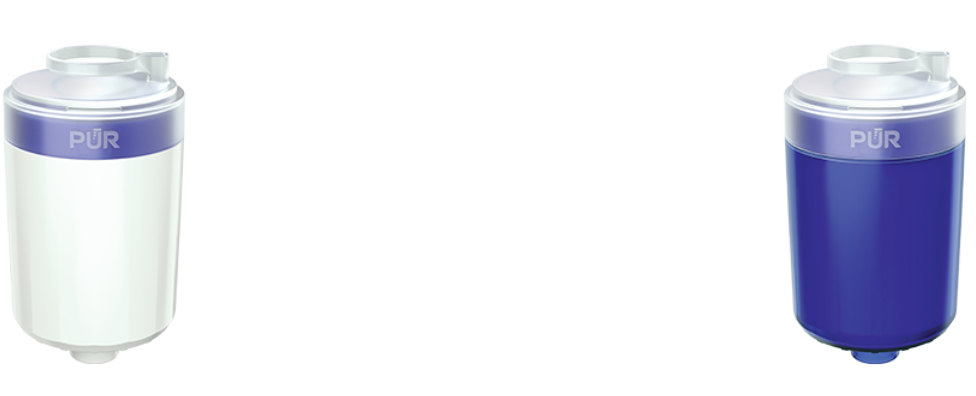
PUR also makes a faucet attachment that reduces lead and a lot of other contaminants, and the filters last a lot longer. However, they only fit a standard kitchen faucet, so that doesn’t work for me, and I didn’t want to change my faucet just for the filter. That’s something to keep in mind if you’re shopping for a faucet filter.
My Thoughts
Overall, I’m pleased with the pitcher and the water taste. Next time I’ll be buying the PUR PLUS filter to try, and I may upgrade to a larger pitcher in the future. If you mainly want better-tasting water, the slim PUR pitcher with the Standard filter works well and doesn’t cost much. I’ve used mine for six months and plan to keep using it.
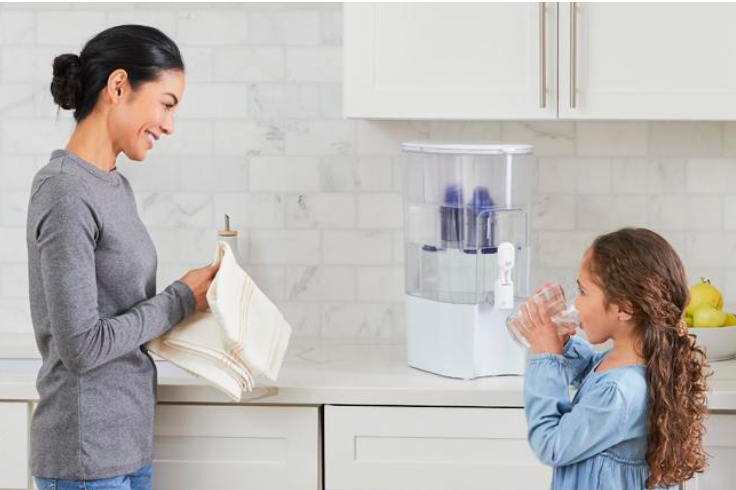
If lead, PFAS, or microplastics are your concern, go with PUR PLUS. You can check its certification yourself using the steps above. And find something that works for your household. If you drink a lot of water, you may want a larger pitcher or a countertop dispenser. You can look through all the PUR products on their website so you have an idea of what you want before you head to the store.

