

You’ve probably had the thought: “My towels are getting old” or “These just don’t feel as soft as they used to.” It’s a common assumption, but age usually isn’t the real problem.
More often, it’s buildup. Fabric softener, body oils, hard water minerals, and detergent residue accumulate in the fibers over time, and that’s what makes towels feel stiff instead of soft. The good news is that with the right care routine, most towels can be restored to their original feel.
Here’s how that buildup happens, and how to reverse it:
Why Different Weaves Respond Differently to Buildup
Terry towels (the classic looped-cotton towel most people grew up with) are great at absorbing water, but that same looping structure is also what traps soap and detergent over time. As residue builds up, the loops start sticking together, which is what creates that harsh, scratchy texture.
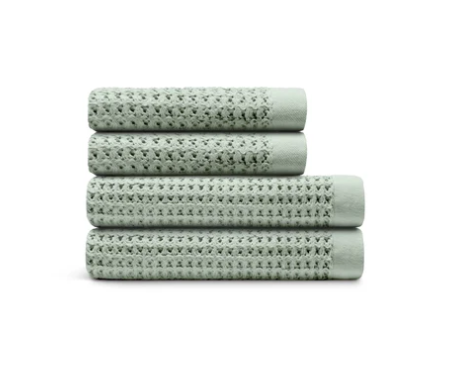
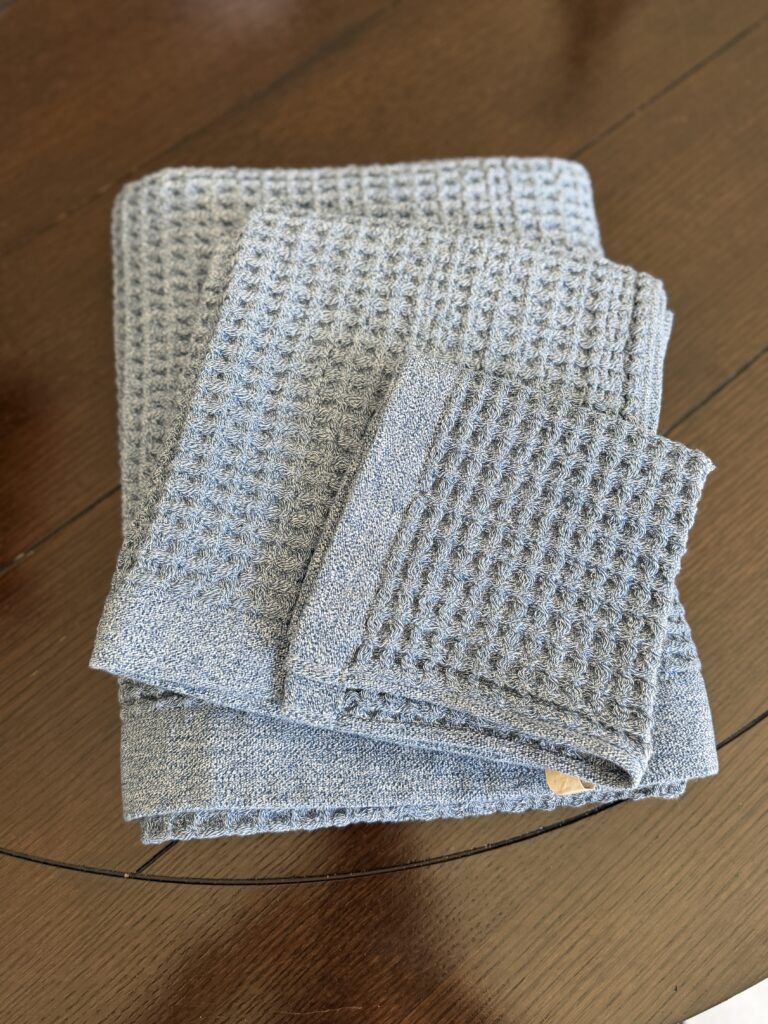
Waffle-weave towels have a honeycomb texture that leaves more open space in the weave, which allows for better airflow and lets water, residue, and detergent rinse out more thoroughly during washing. That’s also why the quality of cotton used in a waffle towel matters so much for how well it holds up over time.
A higher-quality, extra-long-staple cotton keeps its structure and softness through far more wash cycles than a lower-grade blend.
What May Be Causing That Stiff and Scratchy Feel
A few habits are usually behind it. Here’s what to check.
Detergent
One factor to consider is how much detergent you are using when washing your towels.
Too much detergent, much like fabric softeners, will cause build-up over time and cause the fibers of your towels to stick together. Which, in turn, will also make your towels become less absorbent and scratchy. Especially when it comes to the cotton looping of the traditional terry towels.
Always refer to your detergent for proper measurements when it comes to towel washing.
Fabric Softener
Many people suggest that you should avoid using any fabric softeners when washing your towels. Softener, while initially making the towels feel soft to the touch, could be one of the culprits of sticking to the towel fibers over time. This will also create a water barrier for your towels, making them less absorbent.
Wash Load
When washing your towels, make sure that you aren’t overloading your washer. Towels need room to breathe and cycle freely to allow the detergent to properly rinse through the fabric. This will allow dirt and body oils to get rinsed away properly.
Temperature
Many of us only wash our towels in HOT temperature water because we want to get rid of bacteria build-up. But washing on hot every load is not ideal.
High heat can cause detergent and laundry chemicals to bond to the towel fibers, making them feel stiff over time. Using a hot wash every few loads is fine, but for the best long-term care, stick to warm or cold water most of the time and save high heat for occasional deep cleaning.
Extra Rinse Cycle
Using the extra rinse cycle is one of the easiest ways to help your towels last longer. It flushes away leftover detergent, body oils, and other buildup that can get trapped in the fibers, leaving towels cleaner, softer, and more absorbent.
Choosing Towels That Hold Up Better Over Time
Your washing routine matters, but the towel itself matters just as much. Weave and cotton quality both affect how well a towel resists buildup and holds onto its softness wash after wash.
Terry towels from brands like Brooklinen, Parachute, and Frontgate lean into a thick, plush, Turkish-cotton feel that many people associate with hotel-quality towels. They’re comfortable and absorbent, but that same dense looping is exactly what traps detergent and moisture over time, which is why terry towels tend to need this kind of reset more often.
Waffle-weave towels sidestep some of that problem by design, since their open structure lets water and residue rinse out more easily. Within that category, cotton quality still varies a lot between brands.
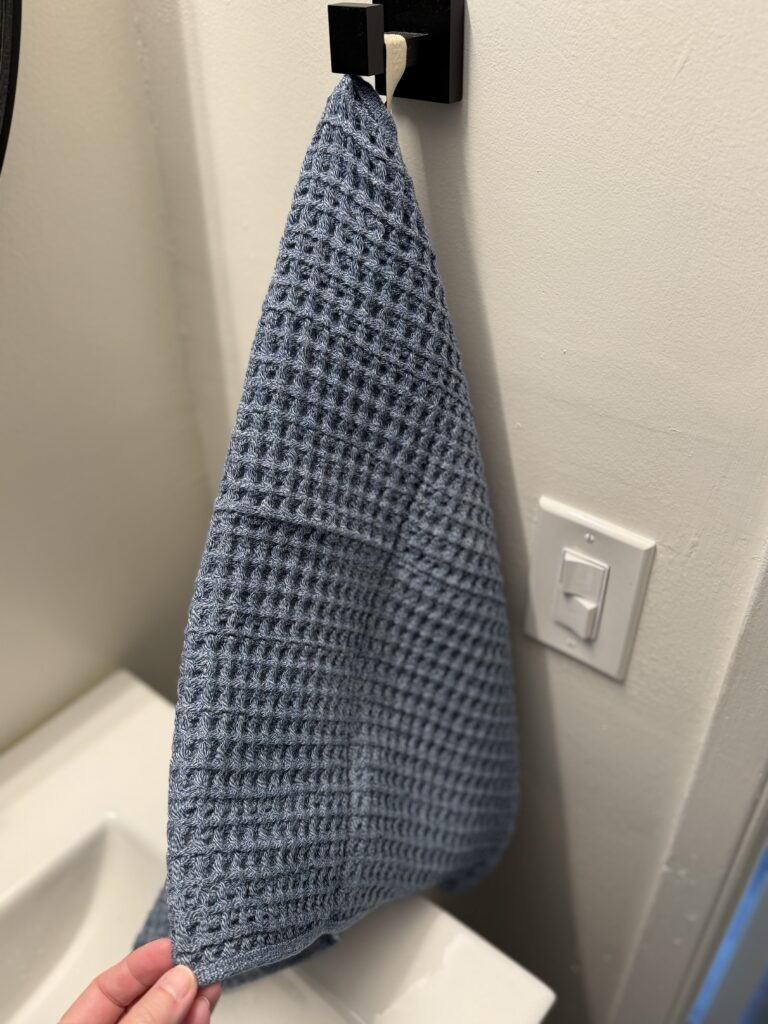
Onsen’s waffle towels, for instance, use 100% Supima cotton, an extra-long-staple, U.S.-grown cotton known for being notably stronger than standard cotton, which helps the towel hold its shape and softness through more wash cycles before it starts to show wear.
Step by Step Towel Reset Routine
Step 1: The Vinegar Cycle
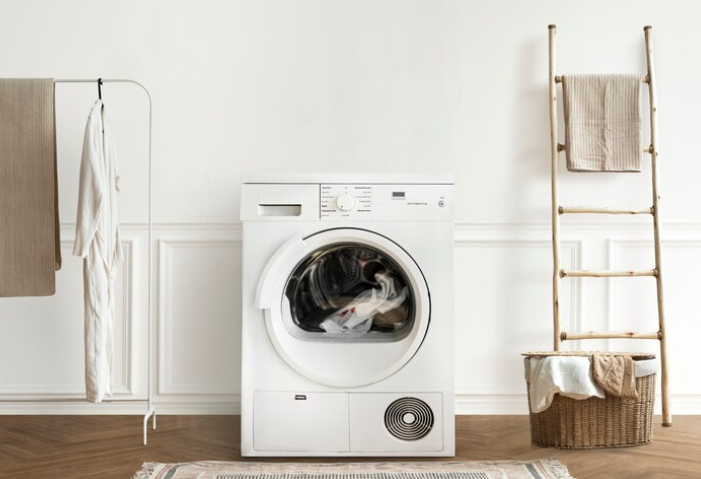
First, you’ll want to wash a small load of towels using hot water, so that the water can move freely through the fabric. Add 2 cups of white distilled vinegar directly to the washer and skip the detergent.
If your washer has a towel cycle, use it. The vinegar helps break down detergent residue, body oils, and other buildup that can make towels feel stiff.
Step 2: The Baking Soda Cycle
Run a second hot wash using 1 cup of baking soda. This helps neutralize any lingering vinegar smell, freshens the towels, and removes any remaining buildup to restore softness.
Step 3: The Drying Process
Dry your towels using the towel setting if your dryer has one, or choose a medium heat setting. High heat can damage the fibers over time, reducing both softness and the lifespan of your towels.
Keeping Your Towels Soft Going Forward
Once your towels feel scratchy or stiff again, that’s your cue to repeat the reset routine above. In the meantime, a few habits will help you need it less often:
- Wash towels separately from clothing.
- Use a minimal, measured amount of detergent.
- Skip fabric softener entirely.
- Avoid overloading the washer.
- Dry on a medium or dedicated towel setting rather than high heat.
A consistent routine like this is what actually preserves a towel’s lifespan, regardless of which brand or weave you started with.


