


- HomeAdvisor vs Honey Homes: Which Platform Is Built for Your Next Job? - September 22, 2026
If you’re a homeowner, you’ve probably had a project or repair that you needed done and dreaded trying to find someone to help. Not only is the task of choosing someone time consuming, but you also have to decide how you will find someone. There’s multiple platforms out there that are built to help homeowners find handy people, but what’s the difference between them? Are they all the same? I’m going to break down HomeAdvisor and Honey Homes, two popular platforms, and sift through their business models and workflows so you can decide how you’re going to get your next project completed.
How Marketplace Models Actually Work

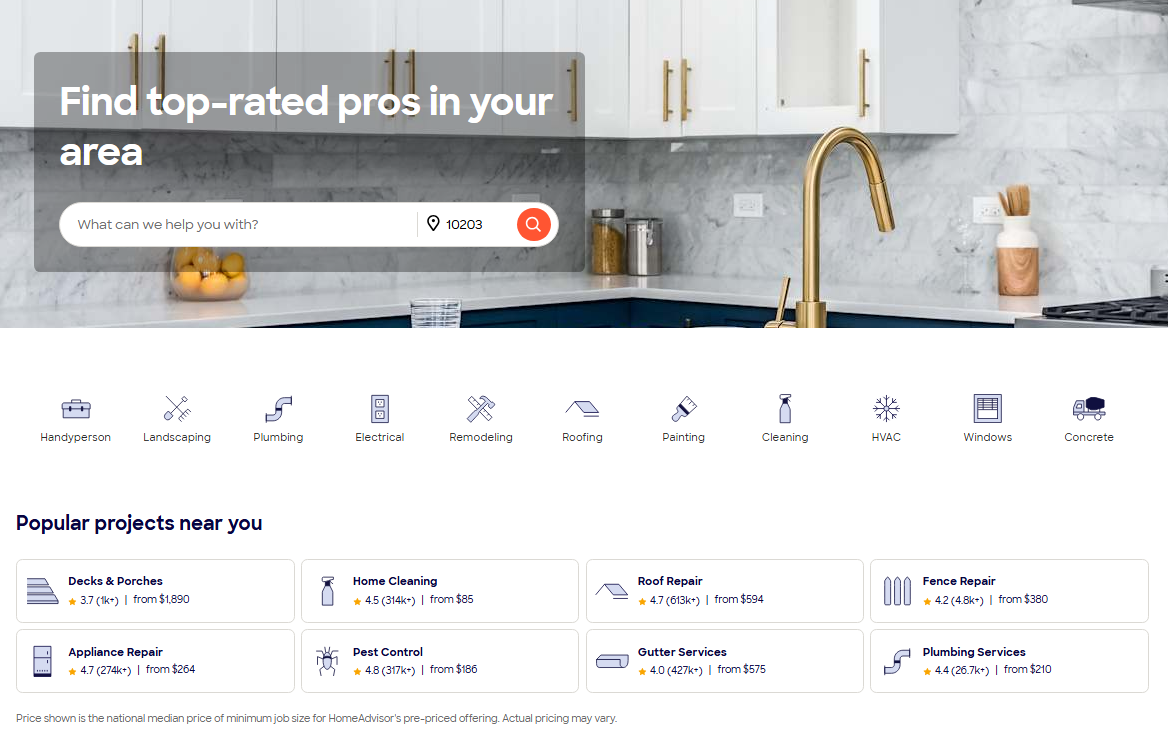
Most platforms out there (including HomeAdvisor) are actually marketplace models. There is a lot of behind-the-scenes work to get your job to a handyperson that you aren’t seeing. Marketplace models sell your job to multiple contractors simultaneously, and contractors are actually paying per lead, not per job they win. In this environment, faster responses mean contractors can contact homeowners before others in an effort to win more jobs, regardless of fit. It can be great for contractors in making sure they always have work to do, but the downside is the customer doesn’t know that their job might just seem like a number on the marketplace instead of a genuine need.
If you’ve used one of these services before and felt like contractors were being flakey or you had a hard time securing someone to actually come out, it’s not your fault. The bidding structure that allows contractors to easily get a big bucket of jobs to claim puts the power in their hands, which can be both good and bad. Marketplace models like HomeAdvisor do serve a purpose and are optimized for a wider breadth of trades, quick contact, and access to specialists for one-off jobs instead of recurring ones.
How Honey Homes Is Different
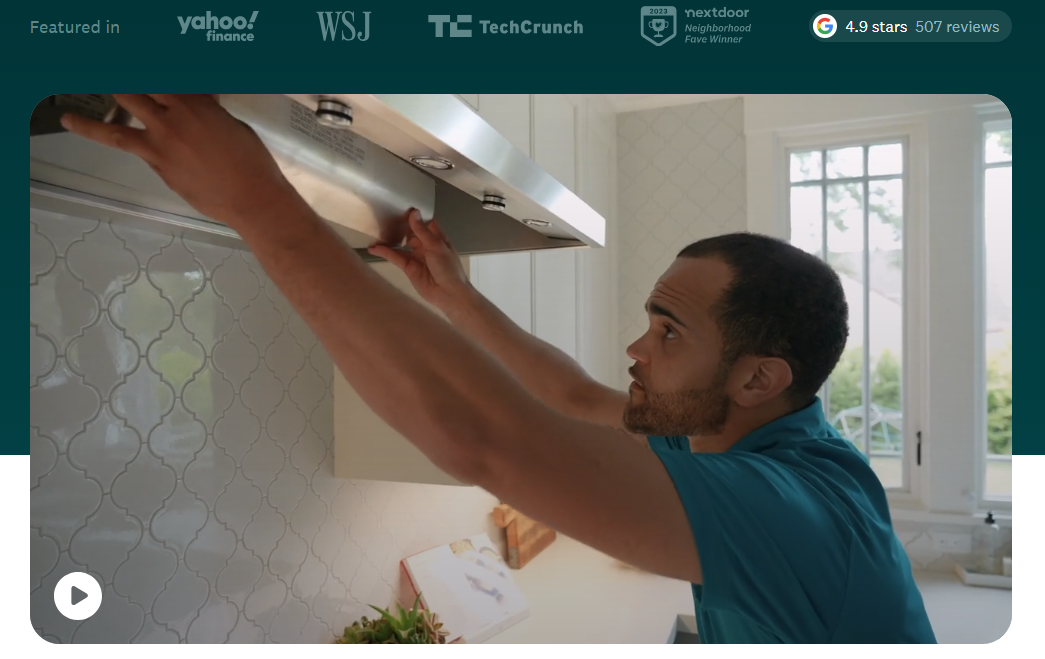
Honey Homes introduces the idea of memberships for getting your to-do lists done. The way this model works is customers pay an annual membership to get help with small and large projects they need completed. With the annual membership, you get a bank of visit hours that can be used throughout the year. The hours can either be spread out between multiple smaller projects, or they can be stacked together to get a larger project done. Visits are set for one hour and 45 minutes, and as the customer, you have the power to choose what things you want done during that time.
This also means there is no lead-buying step. You get assigned one handyperson instead of being bid on by multiple. Your handyperson is then always assigned to you for future jobs, allowing them to become knowledgeable about your home. The trade-off is a narrower breadth of trades than a marketplace offers. There may be some work that requires certifications they don’t have, such as large electrical projects or things that require special permits, which then gets referred to someone in their network for job completion.
The Contractor Relationship on Both Sides

The relationship you have (or don’t have) with your handyperson can make or break your willingness to continue booking work with them. HomeAdvisor uses independent contractors for their jobs, which removes the guarantee of continuity on future tasks. Likely there is a different person each time you make a job request, which can lead to some repetition in terms of explaining the quirks of your home each visit or trying to keep track of when certain things were replaced and by whom.
There’s always the option to request the same contractor again if you liked their work, but that continuity isn’t built into the platform. You have to remember who did the job and actively ask for them by name each time you book, rather than the system automatically reconnecting you.
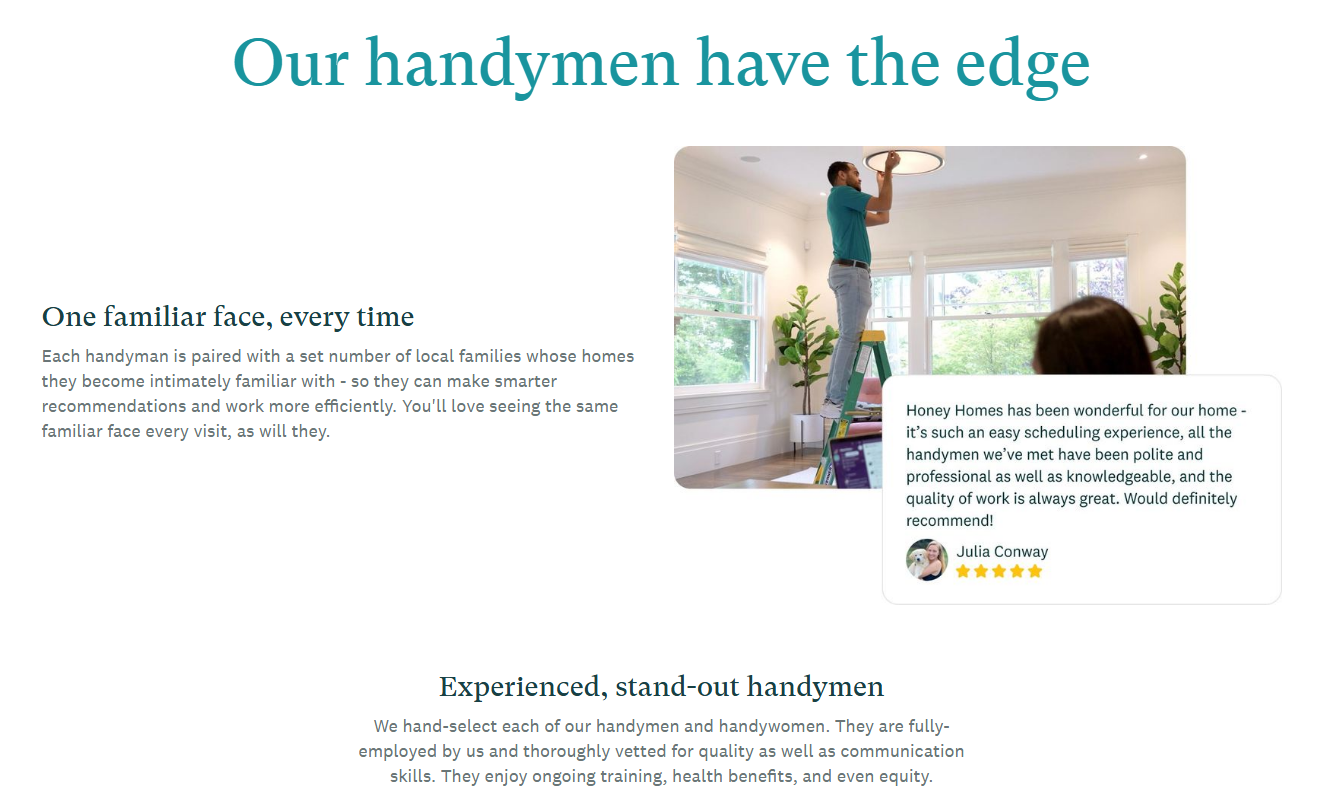
Honey Homes has a full-time employed staff of handy people that are assigned to customers and typically don’t change. Your handyperson is yours, and they will always be the one initially assigned to your projects. This allows them to build home-specific knowledge over time that removes the need to re-explain things about your home with every job.
Vetting and Credentials
Hiring anyone to enter your home can usually give some pause—especially someone coming to do work that you might not be able to do yourself. How companies vet their handypeople can be a big factor in decision making, and it’s important to note the differences in that process between these two platforms.
HomeAdvisor‘s contractors go through a self-verification process for things like licensing, plus a platform-level background check, though that check only covers the business owner or principal, not the employees who may actually be doing the work in your home, and licensing itself is attested to rather than independently confirmed. Quality can vary by market or category, considering handy people are contractors and they might have less coverage in certain trades compared to others.
Honey Homes has a more strict set of guidelines that includes a 30-skill practical test. Because all of the handypeople are directly employed by Honey Homes, they go through a more standardized process of being hired. They also have a roughly 1% acceptance rate! This alone shows there are multiple guardrails in place before a handyperson gets assigned to your job.
The different vetting philosophies don’t mean one is safer than the other, though. It just means each company prioritizes different things before someone is even assigned to assist you.
Pricing

Pricing for a home project or repair can vary widely based on contractor or supplies needed. Honey Homes takes the stress out of getting bids for home maintenance projects with their subscription-style offering. You can choose your annual price (between $2,000–$4,750/year), which is paired with a bank of visits you can use how you please. How much you pay will dictate how many hours of service you get per year, which ranges from 7.5 hours to 52.5 hours. This gives homeowners a wide range of options that fit their home needs best.
Marketplace-type providers such as Home Advisor don’t require a subscription, so you can search for pros and compare jobs for free. The platform gets their income through contractors who pay to advertise with them. Pricing predictability will be the key thing sacrificed here as you will pay based on the pricing model of the contractor you choose. This can be beneficial if you don’t want an ongoing commitment or you tend to not have that many tasks that need completing.
Support and Customer Service
No company or employee is perfect, and neither platform claims to have the best solution to customer issues. When using HomeAdvisor, if something goes wrong with your project or you need additional support, dispute resolution runs through the individual contractor or platform mediation. There is no single accountable party beyond that job helping ensure that you are completely satisfied with the work completed. This could be tricky if you don’t love confrontation and prefer to speak to someone who isn’t the contractor doing the work. People often take their work personally, and it can be difficult to give direct feedback, especially if this is the first time they’re doing work in your home. On the other hand, knowing that this person is only here for this one job might make it easier to hold the contractor accountable for completing the project to satisfaction.
Honey Homes takes the approach of providing a 30-day satisfaction guarantee. This allows you to take time after your handyperson leaves to review the work and make sure it meets your expectations. They have a broader team behind the scenes helping ensure satisfaction, which could allow you to feel more comfortable giving feedback. The ongoing relationship with your handyperson also gives a built-in accountability model. They know if you need more jobs completed, they’re going to be the one assigned to your task, which can provide incentive to deliver high-quality work.
When a Marketplace Is a Good Call

Marketplace platforms serve a purpose and are still very useful for getting jobs completed. One-off specialist jobs that require certain high-level certifications are going to be a big plus for the marketplace platforms. Think jobs like roofing, electrical, or one-time-bid renovations that a typical handyperson might not have experience in or be licensed for. If you have a larger or specialized job, you might also want additional bids to keep pricing competitive. That’s where the marketplace structure thrives due to its ability to match you with more than one contractor.
Honey Homes isn’t located in every market, so there is also potential to be some gaps in coverage of where you can sign up for the subscription-based model. This would be another reason to stick with the marketplace option and make sure you can get those to-do lists completed.
A Quick Gut Check for Your Next Job

I want to try and help you feel less confused when hiring a handyperson for your next job and give you more confidence that you’re making the right decision. Here’s a quick gut check you can use to decide which option might be best for you:
- Need a licensed electrician for new wiring, just this once → marketplace
- Want three competitive bids on a big renovation → marketplace
- Have a running list of small stuff (mounting, patching, gutters, minor repairs) that never gets urgent enough to act on → membership
- Want the same person to know your home over years, not just the one job → membership
- Outside a Honey Homes service area → marketplace, by default
Recapping the Options

If you didn’t know about the behind-the-scenes workings that go into these types of apps/services, you’re not alone. Even though a lot seem similar, they really do have different structures and frameworks for how they serve their customers.
Marketplace structures like HomeAdvisor can help provide a wider breadth of services, especially for one-off or specialized jobs. Membership structures like the one through Honey Homes can offer continuity and accountability for homeowners who enjoy continued home care and personalized service.
Picking the structure that works best for your next project(s) can be easier after knowing the differences in how each operates and how they can best align with your home repair needs.


