


- RANGER Pet Doors Reviews: What Owners Say After Living With One - September 8, 2026
- Which Comparison Sites Should You Use for a Home Equity Loan? - September 8, 2026
- The Best Water Filters for a Rental Apartment - August 27, 2026
Consumers looking for the best rates on home equity loans and home equity lines of credit (HELOC) enter a confusing online world where comparison sites differ on the market’s best rates. This confusion comes from there being different types of sites, each making different assumptions about borrowers’ credit profiles, the equity they have in their homes, the lenders they consider or align with, and how each site makes money. So, each applies a different set of assumptions with a different set of lenders, so it is not surprising that their “best available rates” differ.
Here’s a breakdown of how these sites differ so you can find the one that works best for your circumstances.
Home Equity Loan Versus Home Equity Line of Credit

A home equity loan is a second mortgage. When you borrow, you receive a lump sum with a fixed interest rate, repaid on a fixed schedule that often ranges from five to thirty years. The payment never changes, and you pay interest on the total borrowed starting the day the loan closes.
A HELOC is a revolving line of credit secured by your house. The HELOC has two lives. The first is the draw period, typically five to ten years, when you can withdraw cash as needed, and you pay interest only on the amount you withdrew. The second life begins when the line closes and the repayment period starts, typically 10 to 20 years of repaying principal plus interest. The rate is almost always variable, set as the prime rate plus a margin.
When shopping for a home equity loan in which you borrow a set amount to be repaid in a set period, you can directly compare the interest rates charged across lenders. Comparing HELOCs is more complex because you need to consider a broader set of loan terms, which we’ll cover later.
The Three Types of Comparison Sites
Comparison sites serve three functions, and some sites perform one, two, or all three. The three types include:
- Rate-Survey Publishers
- Editorial Review Sites
- Lead Marketplaces
When using a particular site, it is important to know which of the three functions it serves, or which part of the site you are using.
Rate-Survey Publishers
Rate-survey publishers collect, aggregate, and publish current interest rates and loan terms from various financial institutions to provide a benchmark of marketplace interest rates. They help borrowers gauge whether an interest rate you have been quoted is competitive.
Nevertheless, just as the average temperature in the 10 largest metro areas in the country likely does not say much about your local weather, it’s a good indicator of whether it is winter or summer. Since your profile is unlikely to match the assumptions rate publishers make when collecting rate information, you should consider the interest rates to be directional only.
Bankrate Weekly Survey
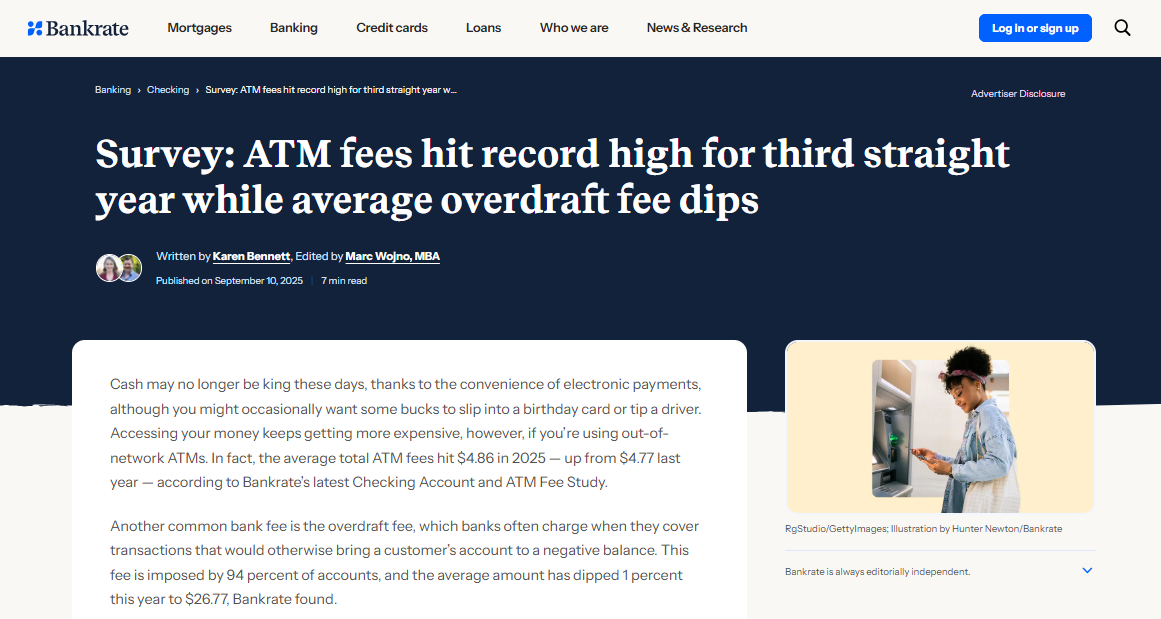
Pro: Bankrate is the most cited benchmark in the category and assumes a $30,000 line, 700 FICO, and 80% CLTV (Combined Loan to Value). Consistent assumptions allow week-to-week trend analysis.
Con: Bankrate polls large banks and thrifts in ten metro areas, so the rate reflects what big banks offer in select markets in a fragmented industry.
Yahoo Finance Daily Tracker

Pro: Yahoo Finance updates every day rather than weekly. It also separates HELOC from fixed home equity loan averages so you can see how the two products move separately.
Con: It assumes a 780-plus score and sub-70% CLTV, so it represents rates available to people with a Very Good or higher credit rating. If your credit rating is lower than that or you have less equity in your home, you are unlikely to obtain a loan at their published interest rate.
When you compare Bankrate and Yahoo Finance credit rates and see they differ, it is because they use different assumptions about borrowers. If you are looking for a benchmark, use whichever rate-survey publisher’s assumptions more closely match your profile.
Editorial Review Sites
Editorial review sites research various lenders and apply their own rating systems to rank them. Generally, lenders pay them when users click from the editorial review site to a lender.
For borrowers, the most important issues regarding editorial sites are:
- Their openness about how they determine their ratings
- How they keep their research and ratings independent of their advertising side
- How much detail they provide about lenders before you click out
NerdWallet

Pro: NerdWallet is very clear about their methodology. They poll 40-plus lenders using 400-plus data points, and weight the results as follows:
- 30% rates and fees
- 20% customer experience
- 20% product accessibility
- 15% rate transparency
- 15% product variety
Their HELOC tables show key information including draw period, repayment period, maximum LTV, minimum credit score, and named annual fees before you leave the page, which helps you assess whether the lender is a good fit for you.
Con: They poll only 14 lenders for HELOC, which skews toward national brands and fintechs. They do not include regional banks or local credit unions.
Bankrate
Pro: Bankrate is the only major site that provides all three types of comparisons (scored lenders, a weekly national rate survey, and a quote marketplace), so you can benchmark an offer against the market in one place.
Con: They poll the ten largest banks and thrifts in ten metro areas, so it has a big-bank view of a market where credit unions often offer the best terms.
Forbes Advisor

Pro: Twenty lenders scored across 25 metrics and 500 data points, with weights disclosed. Their tables include minimum and maximum APR, credit score floors, average time to funding, and how many states each lender serves.
Con: Customer service is weighted the same as cost at 33% each. Forbes is explicit about paid placement, stating that it sells placements and that this “affects how and where advertisers’ offers appear on the site.”
Credible
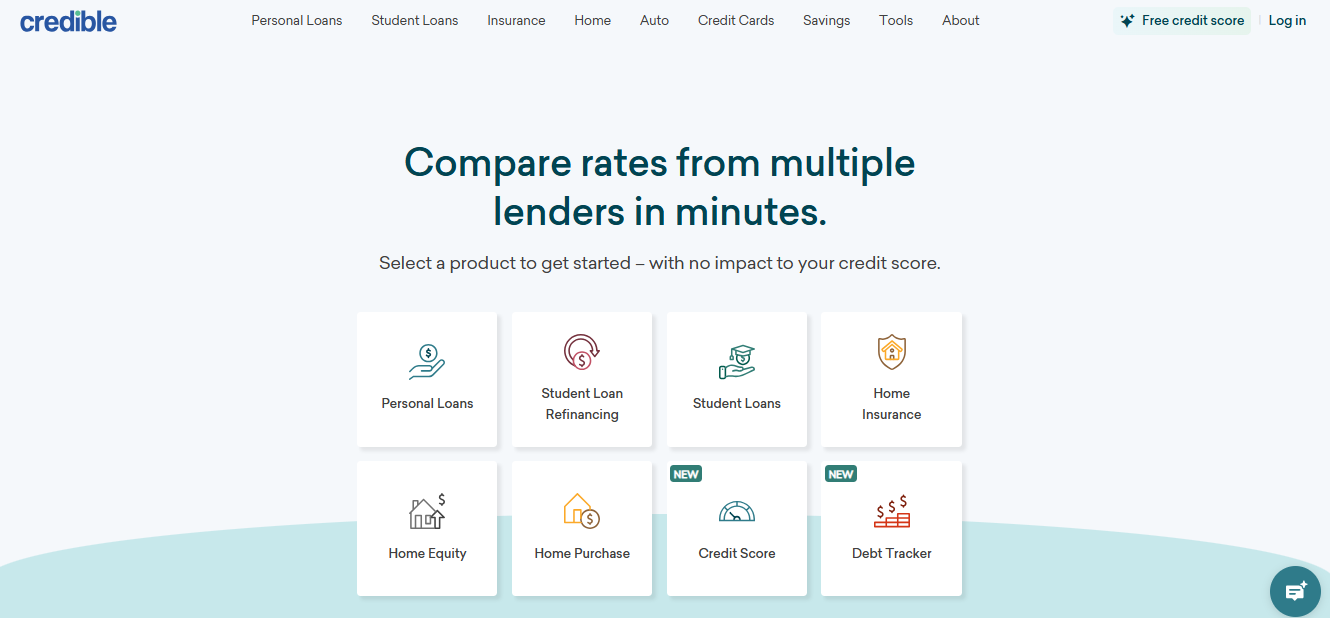
Pro: Credible offers solid reviews with no lead-generation pressure. It clearly labels which lenders are paying partners.
Con: The homepage offers to “Compare HELOC Rates,” but the link takes you to an article, not a quote engine. Credible’s real prequalification marketplace, with soft pull, named lenders, and actual rates, covers student loans, personal loans, and mortgages, not home equity.
BestMoney

Pro: BestMoney doesn’t require users to submit personally identifiable information, and it shows home equity, HELOC, and cash-out options together, which works well for those who have not yet decided on a product. It can also surface newer lenders the editorial sites have not covered yet.
Con: Its home equity page lists eleven brands and does not show rates, APRs, draw periods, fees, or LTV. Their ranking combines rates from the past seven days with measures of internet traffic, so it includes lender marketing spend along with loan quality. They also say compensation “may influence the placement, order, and scoring” of listed companies, so their editorial scoring is not independent of commercial interests.
Lead Marketplaces
Lead marketplaces allow you to complete a form detailing your financial circumstances. Some use your general profile, not your individual information, with appropriate lenders to present you with preliminary offers.
A key distinction is whether the site sends that information to multiple lenders or only the best match. If they send the information to multiple lenders, expect numerous phone calls and other solicitations over the next few weeks.
LendingTree
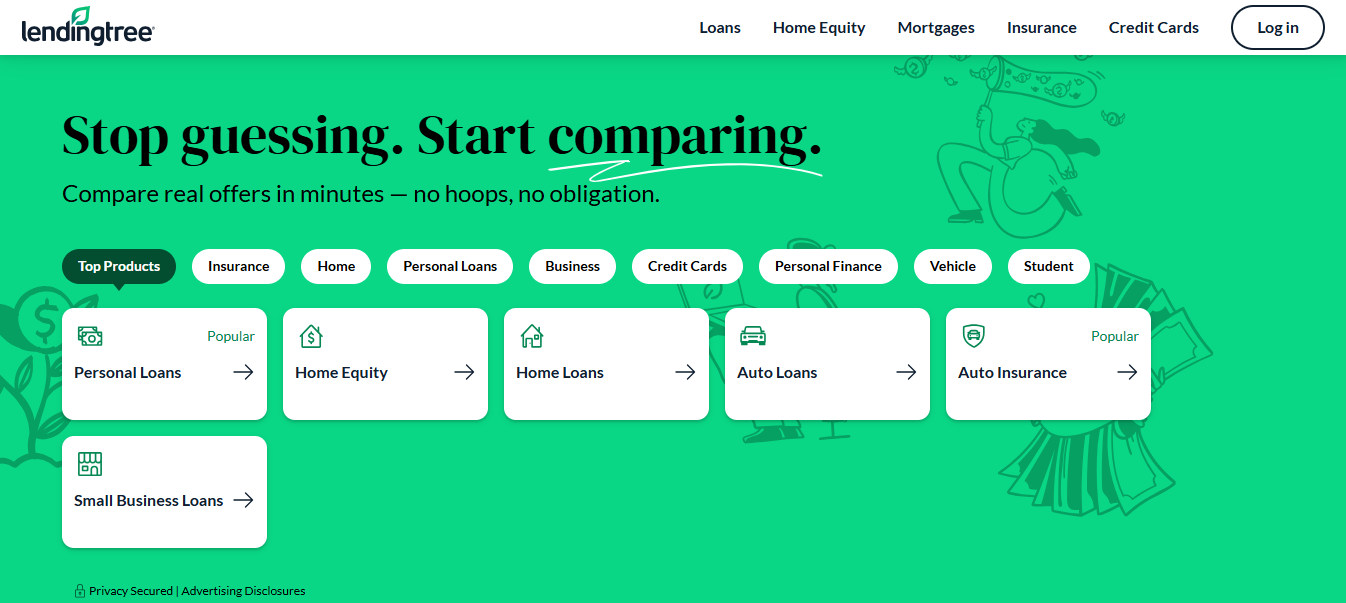
Pro: LendingTree matches you with lenders based on your profile and presents you with preliminary quotes. After you give permission, they share your credit and identifying information with up to five lenders, who contact you to compete for your business.
Con: LendingTree receives compensation from the lenders that receive your information, so you trade the convenience of LendingTree identifying potential matches for you against the hassle of five lenders chasing you in pursuit of your business. The rate information you see is conditional until you agree to have your information sent to the lenders. While five bidders provide some competition, they don’t represent the full range of lenders.
Bankrate (as a Lead Marketplace)
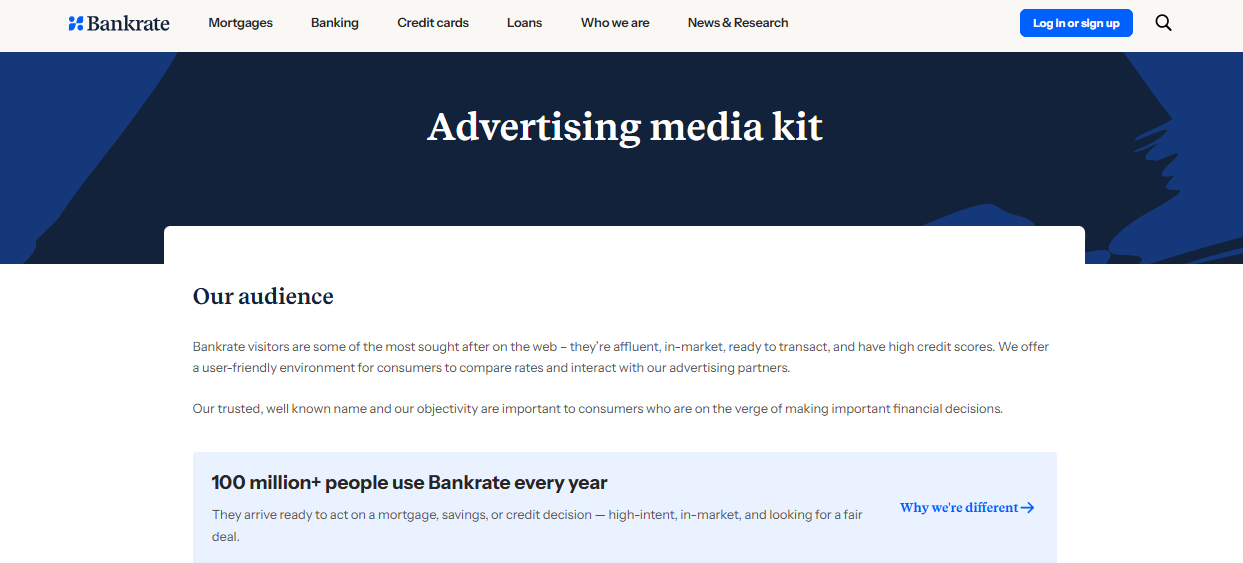
Pro: Structurally, Bankrate is a friendly marketplace for a homeowner, and by industry accounts, the largest after LendingTree. You work through a questionnaire and pick one lender yourself, so the lead is exclusive rather than shared. Lenders pay more for exclusive leads than shared leads, so you receive a competitive quote without the barrage of calls.
Con: Bankrate’s reviews and rate table share a single domain, but they work separately. The lenders that advertise with Bankrate aren’t necessarily the same as those on its vetted editorial list. Also, because Bankrate publishes an editorial list and sells leads, it acts as referee and player. Even assuming they are 100% legit on both sides, consider using them for only one function.
What Comparison Sites Miss
While each site provides useful services, none is right for everyone. Each targets a segment of potential borrowers and aligns with a subset of lenders. They cannot cover the full market, and often miss:
- Local institutions. Credit unions and community banks routinely price home equity aggressively but often don’t show up on comparison sites. They intend to hold your loan on their own books and lack brand-name cachet because they don’t buy national online placements. Call your bank and credit unions you are eligible to join to check on their offers. This step takes time but frequently yields competitive offers that save money over the life of the loan.
- Unusual properties and states. The national sites and their tables generally assume primary single-family residences. When seeking loans for condos, manufactured homes, multi-units, investment properties, or in states with distinct homestead rules, such as Texas, the listed rates may be less meaningful, and some lenders will not pursue your business.
- Anything below a strong credit profile. LendingTree and Bankrate marketplace tables are built on 700-plus scores and sub-80% CLTV or better. If your profile does not meet those criteria, the displayed rates likely won’t apply, and you’ll often need to find different lenders.
Use several types of sites and check local lenders’ competitiveness.
Before You Sign

Here’s what to look for when evaluating offers:
Rates
- Pay attention to the Annual Percentage Rate (APR), not the advertised interest rate. The APR factors in the interest rate, fees, and insurance, so it more accurately reflects the true cost of your loan.
- For a HELOC, ask for the index and margin separately. “Prime plus 0.5%” tells you how the rate adjusts over time, whereas today’s 7.25% interest rate does not.
- Check the lifetime interest rate cap and ask what the fully indexed rate is today if you are offered a lower introductory rate.
Fees
- Get the full fee schedule in writing before applying, including annual fees and potential inactivity fees if you borrow against your HELOC.
- “No closing cost” HELOCs often give the lender the right to claw back the waived costs if you close within the first several years. Ask how long that window runs.
Draw Terms
HELOC draw terms often affect how you use your line of credit and how much you pay to use it, yet sites often don’t provide this information. Key questions to consider are:
- How long are the draw and repayment periods?
- Is a minimum draw required at closing that requires you to pay interest immediately?
- Are draw-period payments interest-only? If so, model the repayment-period payment now, at the cap rate rather than today’s rate.
- Can the lender freeze or reduce your line? Generally, they can if your home’s value falls or your credit weakens.
Tax Consequences
As of July 2025, home equity interest is deductible only when you use the money to buy, build, or substantially improve the home securing the loan. Using the home equity loan for debt consolidation or tuition payments does not qualify. In addition, with the 2026 standard deduction at $32,200 for joint filers, most homeowners will not itemize anyway.
Consider Using the Following Sequence

Build a list of potential lenders from two editorial sites, such as NerdWallet and BestMoney. For live quotes, start with Bankrate’s exclusive-lead table, and add LendingTree if you are willing to deal with five bidders and their calls. Also, contact a local institution or two.
Apply to three lenders inside a two-week window to minimize the impact on your credit score. Make your decision based on your three written offers, not based on their websites. The websites are where your loan shopping journey starts, but you make your decision based on the formal written offers that outline all the loan terms and conditions.

