

- 7 Things to Fix Before Winter That Are Worth Calling a Pro For - September 10, 2026
- HomeAdvisor Alternatives for Home Repairs: What I’d Use Instead - August 26, 2026
- How Often to Flush a Water Heater – The Honest Homeowner Answer - August 22, 2026
Most homeowners hear at some point that they are supposed to flush their water heater. It usually gets mentioned during an inspection, after a plumber visit, or when someone is standing in the garage staring at the tank and realizing they have no idea when it was last touched.
The frustrating part is that the advice sounds simple: flush it once a year. That is a decent rule, but it is not the whole answer. For most standard tank water heaters, flushing once a year is a reasonable maintenance schedule. EPA’s WaterSense home maintenance guidance includes flushing the water heater annually to reduce sediment buildup, and Rheem gives the same general recommendation for most households.
The more complete answer depends on your water, your heater, and whether the unit has been maintained before. A newer tank in a home with soft water is a different situation than a ten-year-old water heater in a hard-water area that has never been flushed. The practical answer is that you should plan on once a year, do it sooner if you have hard water or warning signs, and be careful with older neglected tanks.
Why Water Heaters Need Flushing in the First Place
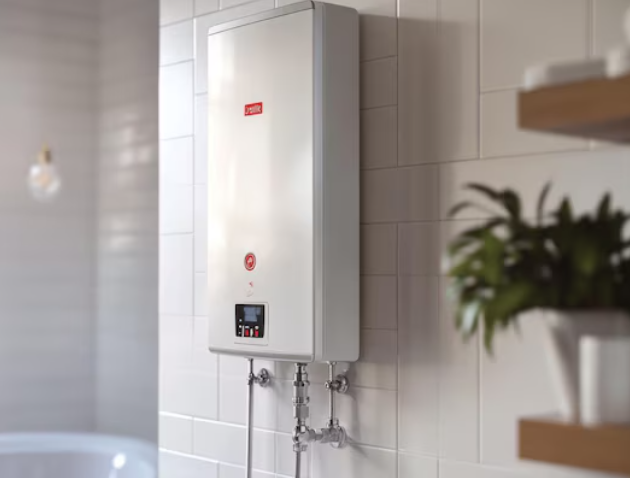
A tank water heater is not just holding clean water in perfect condition forever. Over time, minerals and sediment settle at the bottom of the tank. That is especially true in hard-water areas, where calcium and magnesium are more likely to come out of solution when the water is heated. Hard water minerals can settle in the tank or coat heating elements, which can make the unit work harder.
That sediment layer can create a few problems. First, it can make the heater less efficient. Instead of heating water directly, the burner or heating element is working through a layer of mineral buildup. The sediment acts as a barrier that makes it harder for the water heater to heat water effectively. Second, it can contribute to noise. Popping, rumbling, or knocking sounds from a tank often come from sediment moving around or trapping water beneath it as the tank heats. Third, it can shorten the useful life of the equipment. A little sediment is normal. Years of ignored sediment can become a problem that can shorten the lifespan of your water heater.
Flushing is meant to move that buildup out before it becomes a bigger issue.
How Often Should You Flush a Water Heater?
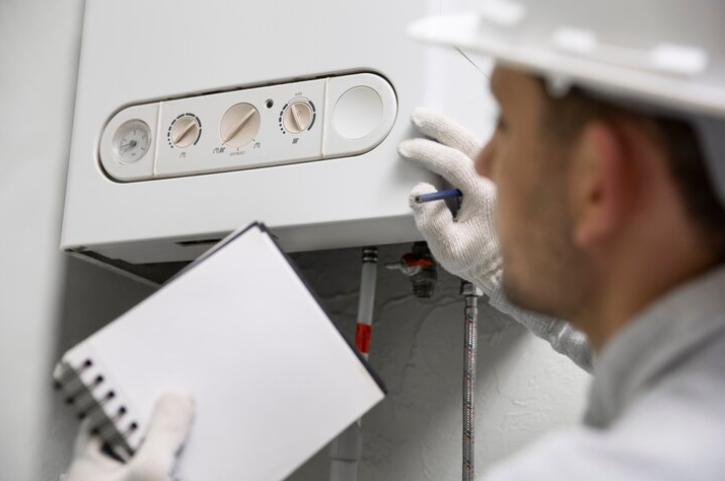
For a standard tank water heater, I would use once a year as a solid starting point. That is frequent enough for most homes to stay ahead of sediment without turning water heater maintenance into a monthly checklist. It also fits how most homeowners actually manage their houses. Annual tasks are easier to remember when they are tied to a season: spring maintenance, fall maintenance, or the same month you test smoke detectors and change HVAC filters.
If you live in a hard-water area, I would not wait for problems to show up. Hard water makes scale and sediment more likely, so flushing every six months may be more reasonable depending on your local water and manufacturer guidance.
If you have very soft water and a newer tank, you may even get away with a lighter schedule than once a year, but I would be careful about turning “it seems fine” into “I never need to do this.” Water heaters tend to be ignored until they become expensive.
Warning Signs You May Need to Flush Sooner
You do not need to become obsessed with your water heater, but there are a few signs worth paying attention to.
If your hot water runs out faster than it used to, sediment may be taking up space in the tank or interfering with heat transfer. If the heater takes longer to recover after showers, that can also point to buildup. Slower reheating or inconsistent hot water can be signs that sediment or scaling is restricting heat transfer or flow.
Noises matter too; popping, rumbling, or banging from the tank is not something I would ignore. It does not automatically mean the heater is about to fail, but it does mean the tank might need a bit of attention.
Rusty or cloudy hot water is another reason to look a bit closer. This can come from sediment, corrosion, or other plumbing issues, but if the water is discolored only on the hot side, the water heater becomes a more likely suspect. If it is coming from both hot and cold taps, the issue might be farther upstream.
I would also pay attention if you notice scale on faucets and showerheads, especially with a tankless unit. That usually means the same mineral-heavy water is moving through the water heater.
What Changes with a Tankless Water Heater?
Tankless water heaters do not have a big storage tank where sediment settles in the same way. But they still need maintenance. Instead of flushing sediment from the bottom of a tank, tankless maintenance is usually about descaling the heat exchanger and flushing mineral buildup from the system.
For most tankless units, annual flushing or descaling is a common best practice. In hard-water areas, you may need to do it more often. The exact schedule should follow the manufacturer’s manual, because tankless systems vary and some setups have isolation valves that make maintenance much easier.
The warning signs are a little different too. With tankless, you may notice inconsistent water temperature, error codes, reduced flow, or the unit turning on and off at strange times. These symptoms can, of course, have more than one cause, but scale buildup is one of the first things I would consider if the unit has not been maintained.
Should You Flush a Water Heater Yourself?
Some homeowners can flush a tank water heater themselves; luckily, it is not the most complicated maintenance job in the house. In broad terms, it usually involves turning off power or gas according to the manufacturer’s instructions, letting the water cool, connecting a hose to the drain valve, opening a hot-water faucet, draining the water safely, and letting fresh water flush sediment through.
That said, “simple” does not always mean it’s an easy or even good DIY project. You’re dealing with hot water, gas or electricity, pressure, valves, and a piece of equipment that can be expensive if something goes wrong. If the drain valve is plastic, old, stuck, or already leaking, forcing the job can create a bigger problem. If the water heater is very old and has never been flushed, I would recommend more caution. Sediment can clog the drain valve, and aggressive maintenance on a neglected unit can sometimes reveal and exacerbate problems that were already there. Additionally, if you have a tankless water heater, or advanced systems like radiant heat, these units can look like a labyrinth to the inexperienced.
I would be more comfortable with DIY if the water heater is newer, easy to access, has a good drain valve, and has been maintained before. If the unit is older, difficult to access, making noise, showing rusty water, leaking, or if you are not confident shutting it down and restarting it safely, then it’s time to call in a qualified professional. There’s no prize for turning a routine maintenance task into an emergency plumbing call.
Making Routine Maintenance Easier to Keep Up With
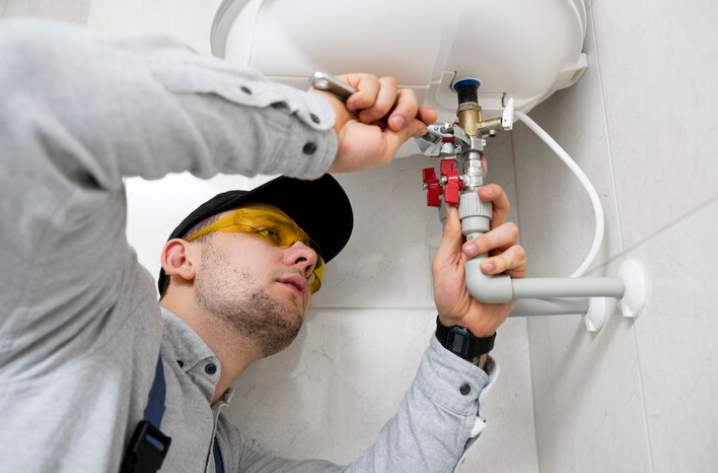
This is the kind of home maintenance task that sounds easy in theory and still gets pushed off for months, sometimes years. Not because homeowners do not care, most people of course want to protect their home. The problem is that a water heater flush rarely feels urgent until something starts making noise, running cold, or looking cloudy. Until then, it sits in that awkward category of “I know I should probably do this, but I’m not sure how much it matters, and I don’t want to create a problem by messing with it.”
This is where the mental load starts to become stressful. You have to remember the task, check the manual, decide whether it is safe to do yourself, find the hose, figure out where the water will drain, and block off the time. Or you have to find someone else to handle it, which becomes its own errand.
A great local repair professional can be worth their weight in gold, and if you already have someone reliable, that is hard to beat. However, a lot of homeowners do not have that person anymore. Gig marketplaces and social media referrals can help, but they can also mean starting from scratch each time; reading reviews, sending messages, comparing availability, and hoping the person who shows up is the right fit.
If your list of routine jobs is always growing, a home maintenance membership works a little differently than calling someone every time something comes up. You generally have the same person coming back, so over time they learn the house, where things are, what has already been worked on, and what tends to need attention. With a service like Honey Homes, for example, a water heater flush can just become one more thing on the regular maintenance list rather than another job you have to remember to schedule separately.
If the same person has seen the water heater before, they may already know roughly how old it is, what condition it was in the last time they were there, and whether flushing it is something that should be coming up again.
There is still a limit to what belongs on that list. Most handymen are not licensed plumbers, so if your water heater needs more than routine maintenance, I would bring in a plumber. But if flushing it is sitting alongside a handful of other small jobs you keep meaning to get to, having someone who already knows the house can make those things a lot easier to stay on top of.
The Schedule I Would Recommend You Use

For most tank water heaters, I would start with an annual flush.
If you have hard water, I would consider increasing this maintenance to every six months, or ask a local pro what they see in your area. If you have a tankless unit, follow the manufacturer’s maintenance schedule and assume annual descaling unless your water quality or usage suggests more often.
If your water heater is older and has never been flushed, don’t blindly start wrenching on valves. I would recommend you have a professional look at it, especially if there are noises, rusty water, leaks, or inconsistent hot water.
And if you are the kind of homeowner who knows this task should happen but also knows it will probably keep sliding down the list, that is a good sign to hand it off. Whether that means a plumber, a trusted home maintenance professional, or a handyman membership service, the important thing is getting it into a routine.
A water heater flush is not glamorous maintenance; it is not the kind of project that makes the house look different when you are done. It is one of those small, unexciting tasks that helps the house run better in the background and may prevent a maintenance issue from becoming harder to deal with later. Once a year is a good default, more often if your water is hard, sooner if the heater is giving you signs. And if you are not sure, it is worth asking before the non-urgent maintenance task turns into a more expensive problem.


