

- The Best Mattress for Your Guest Room - August 16, 2026
- Deciding When to Call a Pro vs DIY for Your Home - July 26, 2026
- When to Service Your HVAC - July 26, 2026
What began as a personal search for my own house has become a guide to outfitting guest rooms. When I started my research, I needed something that would fit a smaller space, be comfortable the few times per year we have guests, and still ensure that the rest of the room would be functional.
Now, my bedroom is obviously designed for me, high-frequency comfort, with a mattress that I sleep on every single night, but my guest room is not. The economics of choosing a guest bed are totally different. For that, it’s important to consider:
- How much to reasonably spend on a bed that doesn’t get used a lot
- How to pick the right size bed for the size of your space
- How to find something durable that won’t be compromised if it goes unused for long stretches
- How to manage different preferences for all of your guests
My top picks:
- Helix Midnight: Choose if hosting diverse, unpredictable guests who need universally pleasing support for side and back sleeping.
- Brooklyn Bedding Standard Hybrid: Choose if working with a tight budget and wanting high structural value to save capital for frames or sheets.
- EcoCloud Hybrid: Choose if placing the mattress in high-humidity areas, cabins, or basements where long-term durability and climate resistance matter.
- Nectar Memory Foam: Choose if setting up a lightweight trundle or Murphy bed in a stable climate without space for a hybrid frame.
So let’s dive into my guide for finding the best mattress for a guest room.
Calculating How Much to Spend on a Guest Mattress
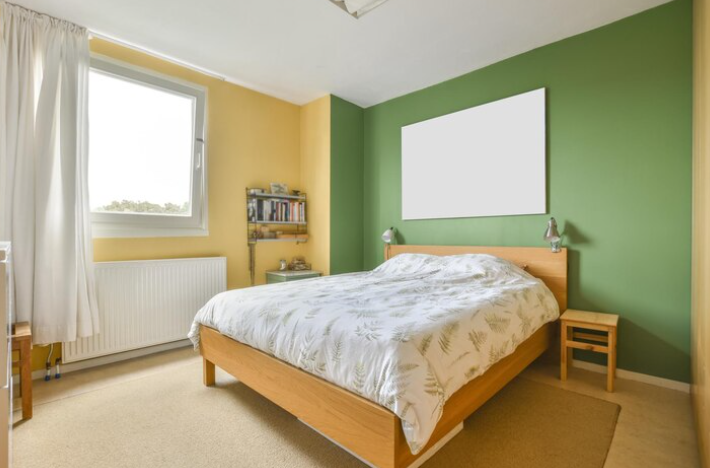
When you’re trying to figure out how much to reasonably spend on a bed that doesn’t see a lot of use, consider that your personal bed gets used nightly, but a guest bed (at least my guest bed) sees use about once a quarter for a total of 10 days per year.
So with that, I don’t need to spend an extra $2,000 on special cooling toppers or a luxurious mattress design, but I also don’t want to put my guests up on something cheap and uncomfortable. It’s important to find a middle ground.
That’s why for a low-use guest space I recommend a target budget for your mattress and foundation at less than $1,000. Spending more than this usually means getting premium upgrades like phase change cooling material or high-density specialized latex, but those won’t provide any benefit if they’re mostly sitting under a dust cover.
Where to Spend vs. Where to Save
To optimize your project budget, draw a hard line between structural components and aesthetic or luxury additions.
I recommend you spend money on the foundation so that you have a sturdy, steel reinforced platform that gives your guests proper weight distribution and that you have a fully encased, breathable mattress protector so that stagnant humidity or dust mites don’t settle when no one is using the bed.
Otherwise, you can skip mattresses that have ultra plush foam designed for specific pressure relief because these struggle with aging and moisture retention if they aren’t compressed regularly. Also, get a basic cover, you don’t need that cashmere blend mattress top for a guest room unless you’re really trying to impress your cats, of course.
Setting Up Your Room Blueprint
When I started looking at the best mattress for our guest room, my immediate thought was, “I should definitely get a king-size bed, if not a queen, so that everyone is comfortable when they stay here.”
But then I realized that bed stays empty 95% of the year, so dedicating 80% of the square footage of my room to a permanent king-sized footprint takes away from other workspace, storage space, or fitness space. My MIL can just lose weight or be mildly uncomfortable for the week. And bonus, maybe she won’t visit as long.
I recommend mapping the footprint of any bed frame you are considering with painters tape, the blue stuff that won’t leave sticky residue on your floor.
Add 30 inches of clearance around the entire bed frame so that people can walk naturally without having to shuffle. This is actually an architectural standard, one that you’ve probably never thought of before unless you stayed in a very cheap motel where the bed was almost flush against the wall.
The Dimension Matrix
Now, I’ve had different guest rooms over the years:
- A guest room in that weird narrow room with the slanted ceiling on one side
- A guest room in what is, normally, my home office
- A guest room in my fitness room
I’ve had to invest in a different bed size and mattress for each. The weird narrow room had a twin right up underneath that slanted ceiling so you could sit up on the edge of one side of the bed. The home office had a double and eventually the fitness room housed a queen with extra storage underneath.
Below is my table to help you design the optimum dimensions and mattress size based on the footprint of your guest room space:
| Mattress Size | Physical Dimensions | Minimum Room Footprint | Recommended Use Case |
| Twin / Twin XL | 38″ x 75″ / 80″ | 7′ x 10′ | Best for narrow bonus rooms, dedicated home offices, or built-in wall alcoves. |
| Full (Double) | 54″ x 75″ | 10′ x 10′ | The ultimate space-saver for adult couples; preserves floor space in square rooms. |
| Queen | 60″ x 80″ | 10′ x 12′ | The standard for dedicated guest suites where hosting comfort is the room’s primary job. |
Architectural Hacks for Multi-Use Spaces
Chances are, your guest room doesn’t sit as a permanent guest room most of the year. So, you can make the most out of finding the best mattress and bed setup without compromising your ability to use the space by using some of these hacks:
- The Platform Storage Bed (my favorite): Build or install a platform base equipped with deep, integrated sub-bed drawers. This turns the footprint of the mattress into primary storage for tools, seasonal clothing, or crafting supplies.
- The Murphy Bed Kit (I can’t with this but my family SWEARS by them): For rooms under 100 square feet, a modern wall-bed mechanism clears the entire floor area during the week. Ensure your chosen mattress matches the maximum depth requirement (usually 11 to 12 inches) of the Murphy frame. Just don’t let your guests get 90’s-sitcom-comically-stuck-inside-when-it-closes.
- The Daybed with Trundle (the grandparents have these for family visits): Ideal for home offices, a daybed functions as a deep couch for daily tasks and expands into two separate twin sleeping surfaces when family visits.
Materials and Structural Durability
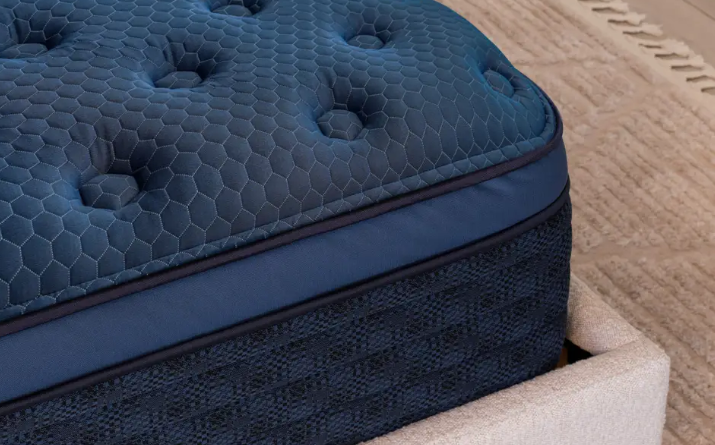
Mattresses are mechanical structures designed to be flexed, compressed, and aired out by regular human movement. When a mattress sits completely unused for three to six months at a time, you start to deal with structural and environmental risks that you probably don’t have with your bed.
All-Foam vs. Hybrid Architecture
All-foam beds, particularly those constructed entirely of low-density memory foam, won’t do well if they aren’t used regularly. If your mattress doesn’t have regular compression and decompression, the cellular structure of a cheaper memory foam actually settles permanently. Basically, if you store your nesting doll of suitcases and all of your winter blankets on top of the guest bed the rest of the year, it’ll leave a permanent indentation (totally not speaking from personal experience).
A solid foam core also acts like a sponge, so it’s going to trap any stagnant air or ambient humidity if it doesn’t have a chance to vent itself. That’s why I recommend a hybrid mattress for a guest room because this combines steel pocketed coils with a thinner latex or foam on top.
- Structural Memory: Steel coils do not suffer from the atmospheric settling or permanent indentation creep that plagues stagnant foam. They maintain their upward tension and structural integrity over years of inactivity leaving your guests much happier (yes, my MIL did comment on how much she preferred the new mattress in our guest room, and it was ‘about time’ we upgraded for her).
- Passive Airflow: The open-air chambers within the coil layer allow ambient air to circulate freely through the mattress core. This prevents the buildup of musty odors and moisture pockets, even in rooms with minimal climate control or variable seasonal humidity.
The Maintenance Checklist for Idle Beds
That said, no matter which type of mattress you choose for your guest bed, it’s good to employ some maintenance even if you don’t have any guests coming.
- The 180-Degree Rotation: Every six months—even if the bed has seen zero nights of use—rotate the mattress 180 degrees. This balances out any environmental exposure from nearby windows, HVAC registers, or external walls.
- Stripping the Linens: When the room is empty for extended stretches, do not leave the bed tightly made with heavy comforters and thick sheets. I thought I would save myself some prep time by washing the sheets after a visit and immediately remaking the bed, but this just trapped stale air so the material didn’t breathe and when we had a guest, everything smelled.
- Atmospheric Reset: Twenty-four hours before a guest arrives, run a dehumidifier or ceiling fan in the room, open the windows too if you have them. This clears out stagnant air and restores the baseline crispness of the mattress layers.
Choosing for an Unknown Sleeper: Firmness and Feel

I picked my mattress precisely for my weight, sleeping position, and back problems. But for my guest room, that profile doesn’t stay the same. My MIL is severely obese and is constantly complaining about her back problems and her feet and her hips and her head, shoulders, knees, and toes. My sister barely even notices there is a mattress underneath her because she’ll sleep anywhere. And my cousins are power lifters who want a lot of deep pressure relief and support.
So I’m obviously not going to pick a different mattress for each of my guests, and instead I’m aiming for the center of the line: a true medium to medium-firm feel, which registers as a 5 to 6.5 out of 10 on the standard firmness scale.
This baseline profile prevents side sleepers from jamming their shoulders against a rock-hard surface while ensuring back and stomach sleepers do not sink into a spine-aligning hammock shape.
Top Guest Room Mattress Options
Having outfitted several guest rooms in the past to both the approval and disapproval of my friends and family, I now have my top guest room mattress options:
The Benchmark Choice: Helix Midnight
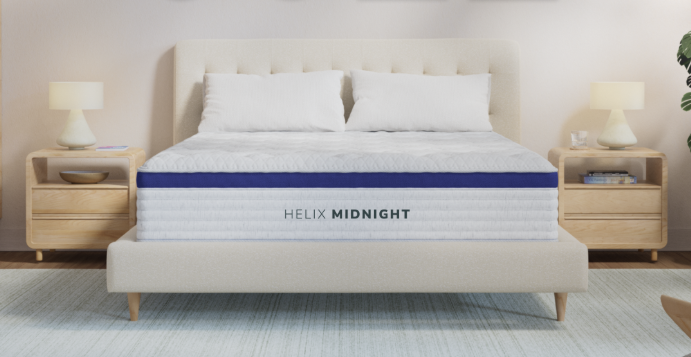
The Helix Midnight serves as the ideal structural template for a guest bed. It is specifically engineered to target the cross-section of side-sleeping comfort and back-sleeping support.
Its top layers feature a contouring memory foam that cushions the shoulders and hips, but it quickly transitions to a high-grade polyfoam transition layer and a robust pocketed coil base. This prevents the “quicksand” feeling common to all-foam beds, making it incredibly easy for guests to roll over and adjust positions.
If you don’t have the same visitors year after year, on a predictable time table (I swear my MIL visits during my birthday month on purpose), then a) lucky you and b) this mattress offers the most universally predictable, crowd-pleasing support profile on the market.
The Budget Hybrid Alternative: Brooklyn Bedding Signature Hybrid
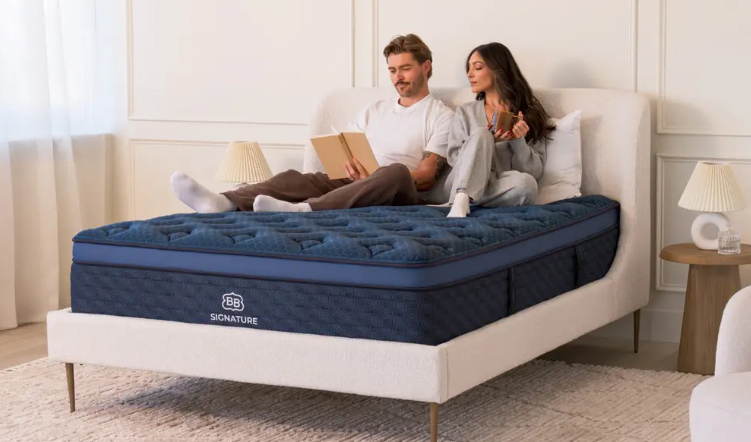
If your project budget is tight and you want to keep costs closer to the lower end of the spectrum, the Brooklyn Bedding Signature Hybrid delivers high structural value without a luxury markup. Built in their own domestic factory, this mattress utilizes a solid pocketed coil core topped with responsive, engineered foam layers. It delivers the airflow and durability benefits of a hybrid setup while freeing up capital to spend on a higher-end platform frame or premium guest sheets.
The Eco-Conscious / High-Durability Alternative: EcoCloud Hybrid
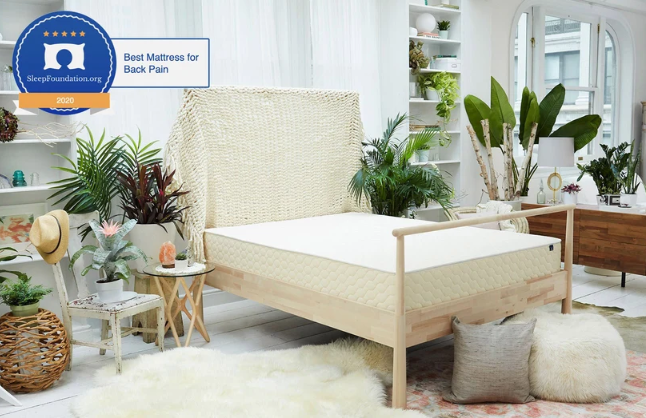
If your guest room is located in a space prone to high humidity variations—such as a finished basement or a lake cabin—then you might want a mattress that swaps synthetic memory foam for natural latex, like the EcoCloud Hybrid.
Natural latex is inherently antimicrobial, dust-mite resistant, and highly breathable. Latex retains its elasticity far longer than polyurethane foams under conditions of variable temperature and long stretches of dormancy, making it a stellar long-term structural choice for remote property guest rooms.
The All-Foam Value Choice: Nectar Memory Foam
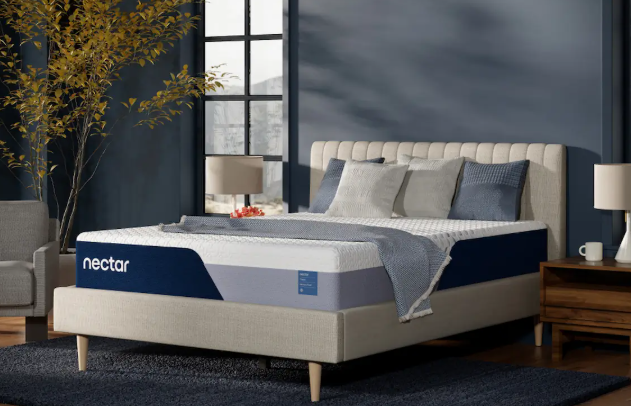
If you’re going for the classic Lower West Side 1990s Murphy bed or a lightweight trundle, then a hybrid frame might be impractical, in which case a high-quality all-foam model like the standard Nectar provides a reliable alternative. It leans slightly firmer than typical bargain memory foam beds, giving it better universal appeal for back sleepers.
However, because it lacks a coil core, you must pair it with an exceptionally breathable protector and ensure the room maintains a stable climate to mitigate its natural tendency to hold onto heat and moisture when left idle.
Summing Up
When planning for your guest bed and picking the best mattress for guest room needs, calculate how much to spend on something that doesn’t see a lot of use, make sure it doesn’t eat up a large footprint, find something that’s structurally durable when it isn’t used most of the year, and find a good balance choosing a mattress for sleepers with variable preferences. My top picks still land on Helix Midnight for hosting diverse, unpredictable guests, but the Brooklyn Bedding Signature Hybrid for those with a tighter budget.


