

- The Best Mattress for Your Guest Room - August 16, 2026
- Deciding When to Call a Pro vs DIY for Your Home - July 26, 2026
- When to Service Your HVAC - July 26, 2026
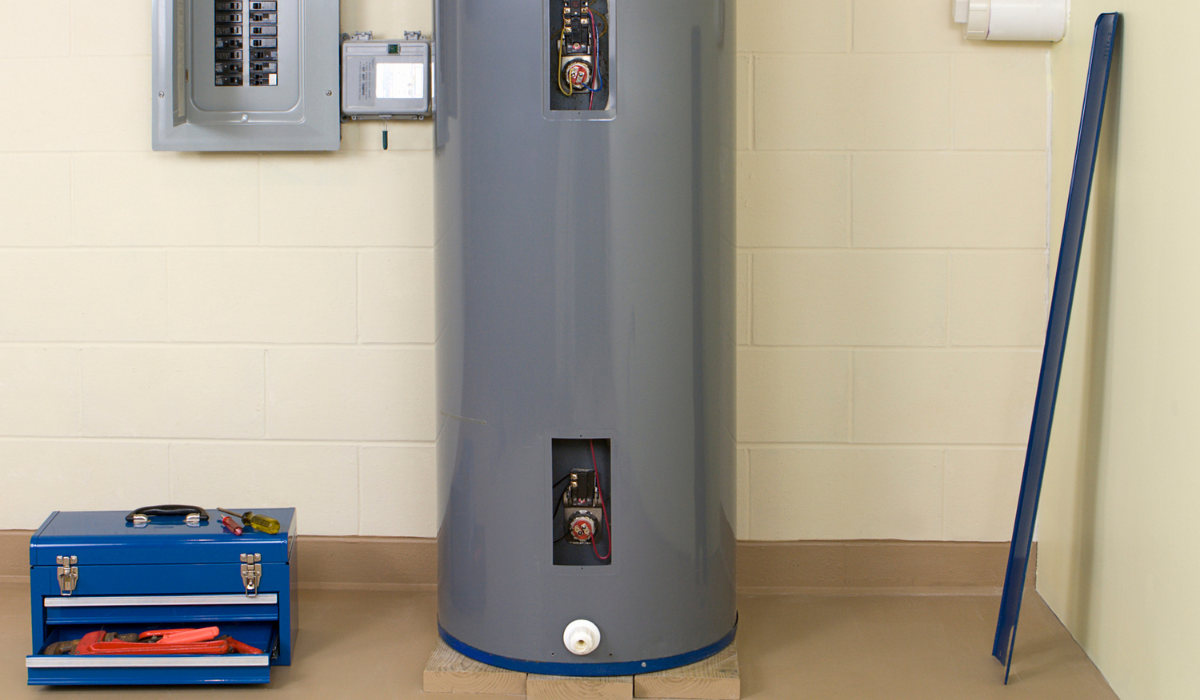
This last winter, our water heater stopped working. Of course, this happened when it was freezing and snowing, and I was working from home that day. But it’s hard to get anything done with freezing water.
So, I grabbed my headlamp and layered up, and headed into the bowels of the basement. There, I found a two-year-old water heater giving me problems that a two-year-old water heater shouldn’t. I went through step-by-step trying to diagnose the issue and everything I tested that should have been the issue turned out not to be.
In the end, the issue was the smallest buildup of calcium around the hose connected to the pressure switch. I literally had to use a sewing needle to scrape off about a single tooth’s worth of plaque.
The repair specialist (who was the unfortunate recipient of a lot of my exhausted cursing) pointed out that hard water and other factors can lead to that build up even in a newer water heater, and it’s actually part of the instruction manual for that water heater to remove that point and clean it every year. So now, that’s part of my regular maintenance calendar for my home.
I know, I know…technically the water heater is part of the plumbing system, but my point still stands: it’s important to know how and when to service your hvac.
Seasonal Rhythm of Servicing Heating and Cooling
An HVAC system relies on proactive, preventative care rather than reactive fixes. Otherwise you’re me, in your freezing basement, yelling into the dark and stubbing your toe when you kick the wall.
The ideal maintenance calendar follows a predictable seasonal rhythm. That rhythm is designed to prepare your equipment before peak demand periods.
The table below gives a quick seasonal HVAC calendar:
| Spring | Summer | Fall | Winter |
| Professional AC tune up | Inspect outdoor condenser unit | Professional furnace tune up | Monitor thermostat calibration |
| Clean evaporator coils | Check for consistent airflow | Inspect heat exchanger | Test carbon monoxide detectors |
| Clear condensate drain lines | Check filters (monthly) | Test burners and gas pressure | Check filters (monthly) |
Spring: The Cooling Awakening
Before the summer heat demands continuous cooling, your air conditioning system needs to be optimized. The ideal window is early spring, before peak emergency repair season. Spring servicing helps check on airflow efficiency, heat extraction, and moisture management.
Fall: The Heating Preparation
Then you head into the pre-winter time, where you need to transition your home to heating mode. This is when you need a dedicated safety and efficiency check for your furnace or heat pump. Schedule this in early autumn, before you need it to ensure that fuel-burning components are operating cleanly, exhaust pathways are unblocked, and fire or gas hazards are mitigated before the unit runs continuously.
Summer & Winter: Peak Performance Monitoring
During the extreme months, everything shifts to active monitoring. You aren’t doing preventative checks here, but rather, making sure filters remain unobstructed and the system is cycling smoothly without straining its core components.
Services like Honey Homes can handle filter changes and routine seasonal upkeep as part of the membership, scheduling these needs for you.
What a Professional Visit Typically Covers

If you have a Honey Homes annual home-maintenance membership then you’ll get a skilled, dedicated handyperson for your visits. If not, then you get whoever is working in your local area.
In either case, a professional HVAC tune-up goes far beyond a casual visual inspection or a simple filter swap. This is where your technician might perform a series of highly specialized diagnostic tests, deep cleanings, and safety verifications.
A standard professional appointment takes between 45 to 60 minutes and encompasses three core categories: performance optimization, physical cleaning, and life-safety checks.
Electrical and Controls Diagnostics
During a routine visit, a technician will test and calibrate your thermostat to ensure it’s reading the temperature accurately. You don’t want a thermostat that says it’s 70 degrees when it’s actually 50. This also prevents short-cycling where your system keeps turning on and off quickly.
The person you call will also likely tighten all electrical connections and measure voltage and amp draw on motors to catch failing capacitors or corroded wiring before they cause a system shutdown. Finally, they will verify system cycling from startup, through steady operation, to proper shutdown.
Deep Mechanical Cleaning
As my water heater story perfectly demonstrated, it’s not uncommon for even high functioning, brand new units to accumulate dirt or any other debris. The problem is this dirt and debris will degrade how well your system works and it forces components to work harder thus shortening their lifespan.
To avoid all of this, a professional will clean things like your evaporator and condenser coils, flush and clear the condensate drain lines to remove algae or biofilm and prevent a water backup. They will also inspect, adjust, and lubricate all of your moving parts including your blower assemblies so there’s no unnecessary friction or wear and tear.
Critical Safety Verifications (Heating Specific)
If your home is on natural gas, propane, or heating oil, there are also some safety verifications that happened during your inspections, particularly inspections on the heat exchanger for any cracks or corrosion. A damaged heat exchanger can leak deadly, odorless carbon monoxide gas into your home’s living spaces.
A professional will also test gas pressure and burner alignment to guarantee clean fuel combustion per manufacturer specifications. Finally, they will perform a combustion analysis and check flue and exhaust vent pipes to verify that hazardous combustion byproducts are venting cleanly outdoors.
Routine Upkeep Homeowners Can Handle In Between Visits
So, in and around those inspections, there are a lot of things that you can do as a homeowner to make sure the inspections don’t run into unnecessary complications.
In fact, a significant portion of your HVAC system’s longevity relies on basic, routine maintenance tasks that you can perform yourself.
Filters
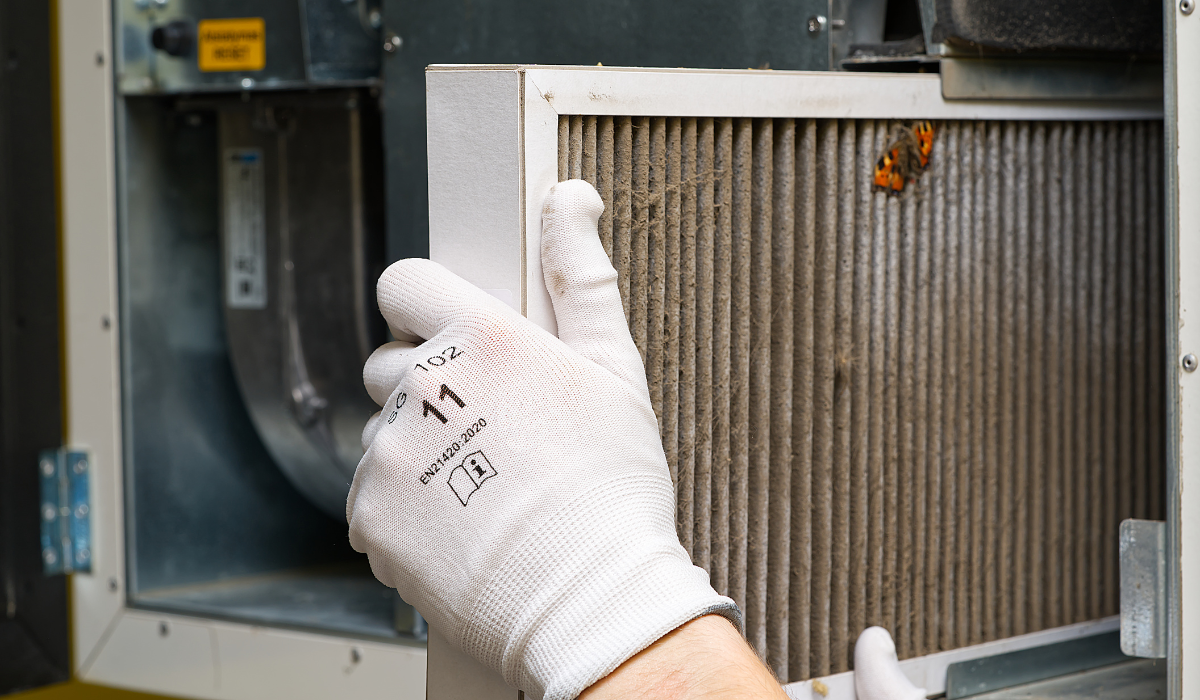
The most important thing you can do as a homeowner is change out your filters. You should check your air filters and replace them every 30 to 90 days. If you smoke, have pets, or have anyone in your family with severe allergies you should probably edge closer to that 30-day mark.
A heavily clogged air filter can choke out your system, forcing your blower motor to work hotter. This can be a problem for your furnace, leading to an overheat or shut down and it can cause damage to your AC evaporator coils.
If there is a particularly bad pollen season, or there are wildfires in your area and a lot of smoke, consider checking and replacing your air filters immediately after even if you haven’t hit that 30-day mark. If your filter looks gross, it is gross and you don’t want to breathe in gross.
Outdoor Area Management
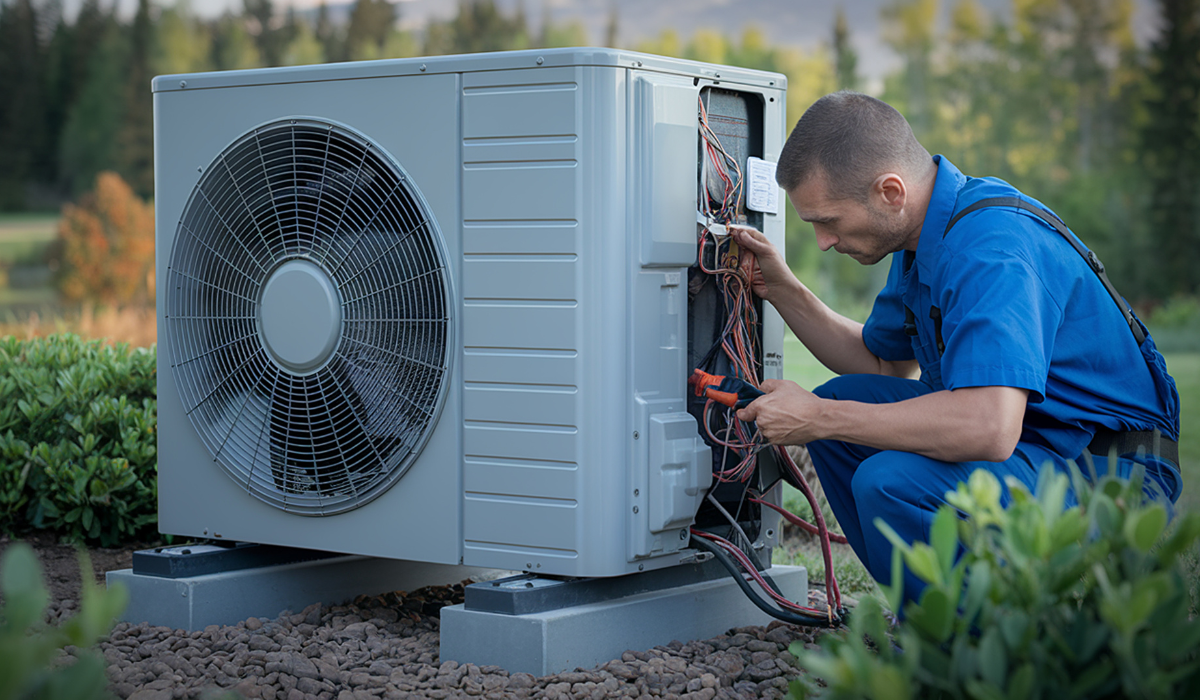
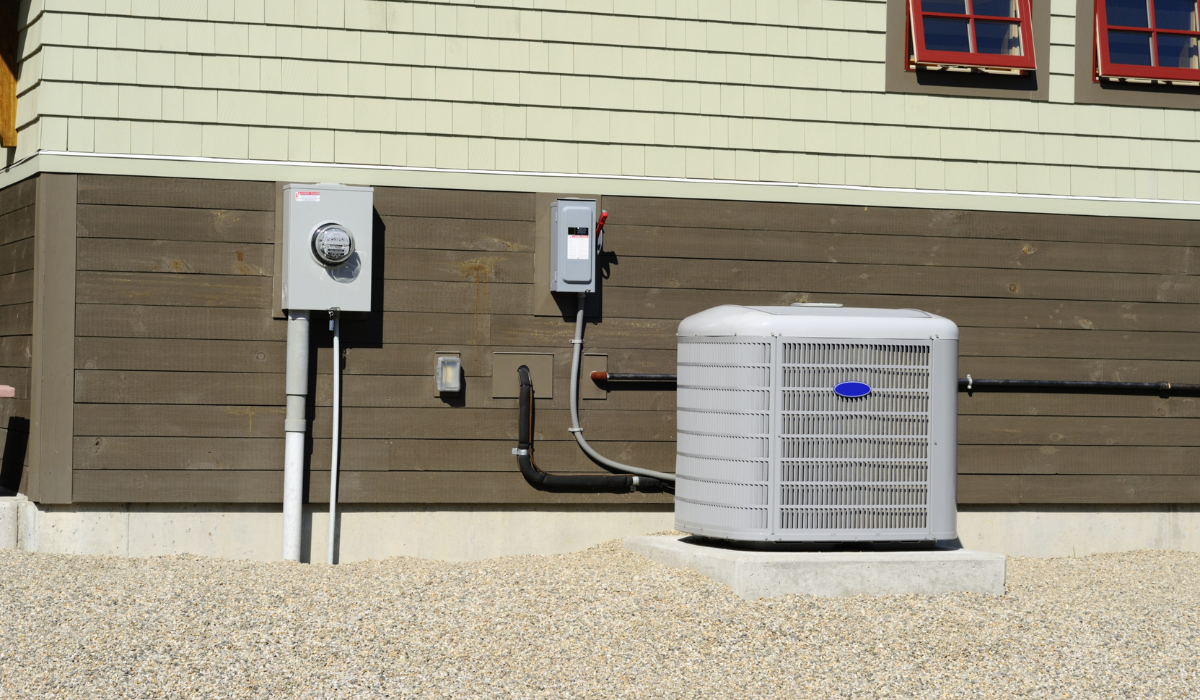
Your outdoor condenser unit needs to eject heat into the surrounding air to cool your home. Therefore it’s best that you maintain at least a two foot perimeter around the entire unit. When I first bought my home, I didn’t even know where my outdoor condenser unit was. I literally found it under the porch, covered in tree branches and fallen leaves. No wonder my system didn’t work the first year.
If you have any debris, get rid of fallen leaves, twigs, grass clippings, winter debris, and anything else at the base and around the exterior fins so that you can not only do away with potential fire hazards but help improve airflow.
Vent and Drain Maintenance
Remember that water heater issue? The most common cause of the issue I was facing was a clogged air vent. Since I keep my air vents clear, it took an entire day to diagnose the problem.
But keeping your air vents clear is a very important part of regular maintenance. You should periodically vacuum or wipe down your indoor supply registers and return air vents to prevent dust buildup from restricting airflow. Keep at least 80% of your indoor vents completely open; closing too many vents creates damaging backpressure within your ductwork. I know, I know, it’s tempting to close the registers in rooms you might not be using but that actually hurts you more than helps you.
Every few months, pour a cup of distilled white vinegar down your accessible condensate drain line access point. The mild acid helps kill algae and prevent thick sludge from forming and plugging the pipe
The Line Between Maintenance and a Licensed Trade Job
When it comes to outsourcing HVAC labor, homeowners frequently face a dilemma: Should you hire a local handyperson like you get with Honey Homes or call a licensed HVAC contractor?
A licensed HVAC contractor is a trade professional authorized by a state or local licensing board to install, repair, and alter climate control systems. To hold a license, these professionals must document years of field experience, pass rigorous technical and building code examinations, carry liability insurance, and maintain formal bonds.
Furthermore, any technician touching chemical refrigerants must hold a federal EPA Section 608 Certification, which is required under federal law and does not vary by state.
By comparison, a handy person is a generalist. They excel at minor cosmetic repairs, assemblies, and non-structural maintenance tasks that do not impact life-safety systems or require building permits.
An unlicensed handyperson or basic home maintenance service can legally handle superficial, preventative maintenance tasks:
- Swapping out standard air filters.
- Clearing debris away from outdoor condenser units.
- Cleaning accessible exterior vents and registers.
- Cleaning or clearing basic condensate lines using vinegar or low-pressure flushing.
The table below lays out a few examples of where a handy person can perform a task versus where a licensed trade technician can perform a task:
| Legal Limit | Handyperson Allowed | Licensed HVAC Contractor Only |
| Refrigerant Handling | Cleaning external debris off the casing or washing down outdoor fins. | Connecting manifold gauges, checking pressures, detecting refrigerant leaks, and reclaiming or recharging refrigerant (R-410A, R-32, etc.). |
| Fuel and Gas Systems | Vacuuming dust out of an accessible blower compartment. | Servicing or modifying gas supply lines, adjusting fuel-to-air burners, replacing gas valves, or evaluating internal heat exchanger integrity. |
| Electrical Modifications | Mounting a basic, battery-powered thermostat or plugging in a standard air purifier. | High-voltage testing, replacing faulty start/run capacitors, replacing blower motors, or modifying control wiring inside the unit cabinet. |
Note: There are also some regional differences such as in California where an unlicensed handy person can only take on projects where labor and materials are less than $1,000 and Texas where unlicensed individuals are restricted from performing any type of mechanical troubleshooting or component replacement or New York where certain counties have specialized home improvement licenses for basic repairs but all other things require technical licensing.
Conclusion: A Well-Regulated Home
An HVAC system is a major financial investment. By staying current on your seasonal maintenance visits, consistently managing routine tasks like filter swaps, and making sure you work with the right professionals for each job, you can ensure a comfortable, efficient home year-round.
Whether you handle the basic upkeep yourself, utilize a proactive home care membership like Honey Homes, or schedule direct service contracts with a licensed contractor, consistency is key. If you keep your system clean, safe, and legally compliant it will keep performing for years to come.


